Western Uganda Guide


Mbarara Guide

Mbarara, with its population of some 97,500 (2025), is both the largest conurbation in south-west Uganda and the administrative and commercial centre of the district named after it, which came into being in 2005. On 7th August 2015 it was granted city status, and that status went live on 1 July 2020 having been delayed by elections.

Built on an elevated basin that forms part of the African Rift Valley and nestled amongst hills and shallow valleys, at an average elevation at about 1,147 metres (3,763 ft) above sea level, Mbabara was almost destroyed in the internal Ugandan conflicts of 1972, 1979 and again in 1985 before emerging into the vibrant and bustling city it is today complete with good shopping, restaurants, hotels, night clubs and bars as well as a museum and mearby national park.

Named after a tall grass locally known as Emburara (Hyperemia ruffa), Mbarara is often seen as a gateway to the Great Lakes Region, some 180 miles south-west of Kampala, modern Mbarara has a cosmopolitan flavour with a population of both locals as well as Rwandans, Indians, Asians, Chinese and Somalis. The region was historically central to the powerful Ankole Kingdom, whose influence shaped the cultural practices and social structure of the local people, particularly the Bahima pastoralists famous for their long-horned Ankole cattle. This heritage is not just relegated to history books; it is very much alive in the city’s identity, its cuisine, and the pride in its dairy production. One particularly interesting fact about the area is that the traditional economic value was measured in cattle, and this pastoralist foundation still heavily influences the socioeconomic fabric, dictating everything from land use to the primary economic output exported across East Africa.

The pace of daily life in Mbarara is characterised by vibrancy and relentless commercial activity. Unlike quieter upcountry towns, the city is constantly energised by a large student population. Early mornings are defined by the clamour of the central market, where everything from fresh produce to traditional crafts is traded, while the main streets are perpetually busy with boda bodas and taxis facilitating rapid movement. For locals, the rhythm of the day revolves around commerce, education, and the essential task of processing and distributing the abundant milk that flows into the city from the surrounding farmlands. This constant motion highlights the city’s role as the crucial nexus where agricultural wealth meets modern services.

Mbarara has a diverse range of employment opportunities compared to smaller agricultural centres. While the backbone of the region remains the dairy sector, involving processing, distribution, and veterinary services, Mbarara has seen significant growth in the service and education sectors. There is high demand for skilled labour in retail management, logistics, and hospitality, driven by the increasing number of regional headquarters and banks establishing branches there. Many young people also find entrepreneurship in the transport sector or local food services particularly viable, capitalising on the high volume of transient travellers and the large student body, given that it is home to several nationally respected institutions of learning such as Ntare School where a number of African presidents were educated as well as Mbarara High School, Mbarara University of Science and Technology and Bishop Stuart University.


Mbarara Guide

Mbarara Guide

Mbarara Guide

Mbarara Guide


Tourist Attractions

Mbarara Tourist Attractions

A list of the main tourist attractions in and around Mbarara in south-western Uganda.
More >


Mbarara History

Mbarara History

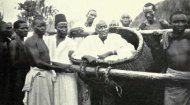
The history of Mbarara from the Bachwezi/Kitara Empire to the Nkore/Ankole Kingdom and present day.
More >


Mbarara Ankole Cattle

Mbarara Travel Guide

For visitors, Mbarara offers several notable tourist attractions that provide insight into the rich culture and stunning natural environment. Perhaps the most celebrated stop is the Igongo Cultural Centre, located just outside the city. This meticulously preserved complex includes a museum detailing the heritage of the Ankole people, a traditional village exhibition, and exceptional local cuisine, serving as a perfect introduction to regional history. Furthermore, Mbarara is the gateway to Lake Mburo National Park, which is only a short drive away. This proximity makes the city an ideal base for travellers eager to experience wildlife viewing, walking safaris, and boat trips in one of Uganda's most accessible savannah parks.

When planning a stay, travellers will find a range of types of accommodation to suit various budgets and preferences. Reflecting its status as a major urban centre, Mbarara boasts several high-end hotels that cater primarily to business travellers and tourists, offering modern amenities, conference facilities, and excellent dining. Mid-range visitors can easily find comfortable guesthouses and clean, well-run lodges usually situated a little further from the noisy central business district, offering great value and tranquillity. Finally, budget travellers have numerous options available near the central transport park, including simple lodges and hostels that provide basic necessities for short stays.

Mbarara is good for a short stay particularly if you have been travelling and want some decent food and accommodation but you will probably run out of things to do after three or so days once you have recharged your batteries and you will be ready to move on as you further explore Western Uganda.

Oh, and make sure you stock up at the local supermarkets if you are heading south, as it's the last decent place to pick up food in supermarkets before you reach Rwanda! Did we mention that Mbarara is very hot and busy? No? Okay, Mbabara is VERY hot and busy, so keep an eye out for the boda motorcyclists who are everywhere. Including the pavements. If you know of other tourist attractions to add to this online Mbarara travel guide, get in touch and let us know using our contact form.


Tourist
Attractions

Western Uganda Tourist Attractions


Best Things
To Do

Things to do in Western Uganda Guide


Main Ugandan
Towns

Main Ugandan Towns


Western Uganda
Accommodation

Accommodation in Western Uganda Guide