|
Camping in Uganda |
Camping in Uganda |
Camping in Uganda | Camping in Uganda |


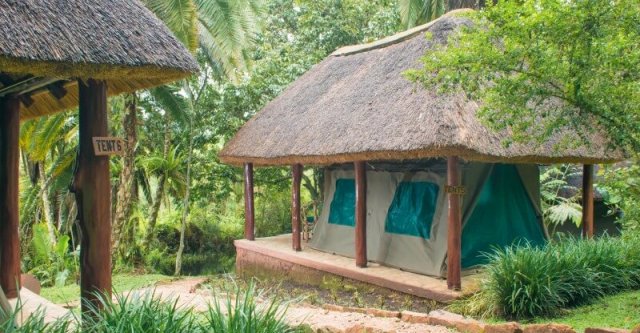
Self pitch or rent at Kibale Forest Camp just outside the southern part of the Kibale Forest National Park.
Visit Website >


More Soon!

The Western Uganda Network will be uploading more places to camp in Uganda soon!
That's It!
More Soon!
The Western Uganda Network will be uploading more places to camp in Uganda soon!
That's It!
|
|
|
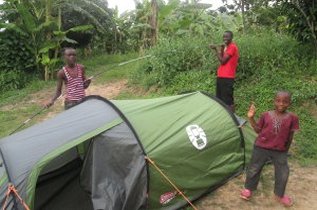
Safety advice in Western Uganda goes beyond merely locking up valuables; it fundamentally concerns coexisting safely with a high density of powerful wildlife. Travellers should never attempt wild camping outside designated zones or park authority oversight, as parks like QENP have free-roaming lions, leopards, and enormous herds of buffalo and elephants. At designated campsites, respect the 24-hour cycle of wildlife movement. Hippos, though seemingly docile, are responsible for numerous human fatalities in Africa and forage on land extensively at night, so never wander near water bodies after sundown. Food storage is crucial; all food waste and scented items must be sealed in airtight containers and stored well away from the tent to prevent attracting hyenas, baboons, and curious park animals. Always heed the instructions of Uganda Wildlife Authority (UWA) rangers or hired local guides, who possess invaluable knowledge regarding recent animal movements and local danger zones. For personal security, while violent crime against tourists is rare, standard precautions apply: keep electronic devices secure, and if travelling independently, ensure that camp locations and travel plans are shared with family or emergency contacts. The journey through Western Uganda is deeply intertwined with local communities, demanding elevated cultural sensitivities and respectful interaction. The region is home to several distinct ethnic groups, including the Bakiga, Batwa, and the Bantu peoples. When interacting with local villages near the national parks, especially the historically marginalised Batwa (Pygmy) communities around Bwindi and Mgahinga, ensure that any engagement is facilitated through ethical, regulated tourism programs that guarantee the community receives appropriate financial benefit. Simple cultural courtesies go a long way: dress modestly when outside private accommodation or the national parks; covering knees and shoulders is generally advised, particularly in rural areas. Always ask permission before taking photographs of people, especially children, and be prepared to be warmly, if curiously, observed. Direct, overly aggressive bargaining at markets should be avoided; instead, approach transactions with patience and respect for the local economy. Observing a set of clear dos and don’ts will transform a potentially stressful trip into a harmonious adventure. DO hire local guides and porters; this not only enhances your experience with local knowledge but also provides vital economic support to the surrounding communities. DO strictly adhere to Leave No Trace principles; pack out all trash, including organic waste, and utilise established toilet facilities. DO respect speed limits within the national parks, which protects the wildlife and reduces dust pollution. Conversely, DON’T feed any wildlife, under any circumstances, as this habituates them to humans and often leads to aggressive behaviour or their eventual destruction. DON’T stray from marked trails or designated camping areas without explicit ranger permission; this is critical for personal safety and protecting fragile ecosystems. Finally, DON’T assume that because English is widely spoken, local customs are negotiable; always operate under the principle that you are a guest in both a wild and culturally sacred land. Camping in Western Uganda is, ultimately, an intensely rewarding experience that strips away the modern veneer and connects the traveller directly to the pulse of the African continent. From waking to the roar of a distant lion in QENP to experiencing the profound stillness of the high Rwenzoris, the sensory rewards are unmatched. However, the quality of this experience rests directly on the rigour of preparation and the depth of respect shown to the environment and its people. By acknowledging the necessary health precautions, adhering to strict safety protocols around formidable wildlife, and engaging with deep cultural sensitivity, the well-prepared camper can unlock the profound beauty and raw majesty of this spectacular corner of the world. Responsibility and planning are the true passports to unlocking the wilderness treasures of the Pearl of Africa. One last thing. If you are camping in Uganda as part of a wider visit to Africa, please avoid green tents. As strange as it sounds, it's likely to be confiscated when you cross the border into a neighbouring country, as the colour green has strong army connotations. Believe us, that's how we lost a tent crossing from Rwanda to Burundi! Also, NEVER leave your tent unattended. It will quickly disappear, along with all its contents. |




Camping in Western Uganda GuideA camping in Western Uganda guide from a list of camping sites, to preparations including health, safety advice, and cultural sensitivities Tags: Camping in Uganda, Camping in Western Uganda, Camping in Western Uganda, Camping in Uganda Preparations, Camping in Uganda Safety, Camping in Uganda Sites |