
|
Itojo Trading Centre |
Itojo Trading Centre |
Itojo Trading Centre | Itojo Trading Centre |


|
|
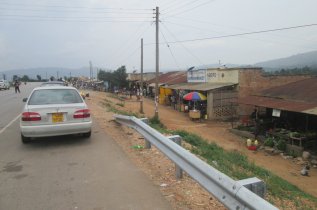
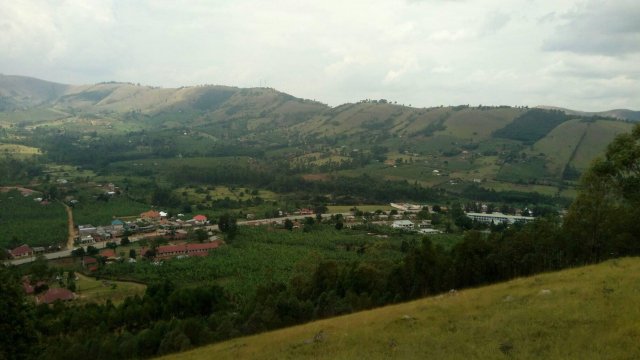
Despite its undeniable importance, Itojo Trading Centre faces its share of challenges. Infrastructure remains a key area requiring attention. While some primary access roads leading to the centre see periodic maintenance, many feeder roads connecting Itojo to remote farming communities are often in poor condition, especially during the rainy season. This impacts transport costs and the timely delivery of goods. Reliable access to clean water and consistent electricity supply, while present to varying degrees, can still be intermittent, affecting businesses and daily life. Furthermore, inadequate waste management systems are a common concern, requiring more sustainable solutions to maintain public health and environmental integrity. Economically, the traders and farmers of Itojo often contend with fluctuating market prices for agricultural commodities, which can significantly impact their incomes and business profitability. Access to affordable credit for small and medium-sized enterprises is another hurdle, limiting opportunities for expansion and modernisation. Socially, the centre, like many rural areas, experiences challenges related to youth unemployment and the brain drain as younger generations seek opportunities in larger urban centres. These factors, combined with the broader impacts of climate change on agricultural yields, present ongoing obstacles that require concerted effort from both local authorities and the community. |




Itojo Trading Centre GuideA guide to Itojo Trading Centre in Ntungamo District, including its history and development, Itojo hospital, services, retail outlets and map Tags: Itojo Trading Centre, Itojo Trading Centre Guide, Itojo Trading Centre Ntungamo, Itojo Trading Centre History, Itojo Trading Centre Services, Itojo Trading Centre Retail Outlets |