|
Lake Mburo National Park |
Lake Mburo National Park |
Lake Mburo National Park |
Lake Mburo National Park |
Sanga Village
A cultural centre for the Hima tribe close to Lake Mburo featuring traditional ornaments and regalia.
That's It!


|
|
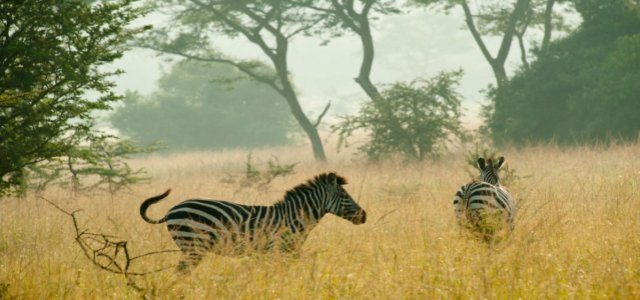
The array of safaris offered within the park is designed to capitalise on its unique accessibility and open landscapes. Game drives remain the primary method of exploration, utilising an extensive network of tracks that traverse the savanna and woodland areas. These drives are productive both morning and afternoon, often yielding excellent sightings of zebras and the various antelope species in close proximity to the road. However, what sets Lake Mburo apart is the opportunity for non-vehicular activities. Due to the limited presence of large, aggressive predators, Lake Mburo is one of the few national parks in Uganda where visitors are permitted to engage in supervised walking safaris. Beyond the terrestrial adventures, the water-based attractions of Lake Mburo are equally compelling. Boat safaris on Lake Mburo are mandatory for any comprehensive visit, offering a different perspective on the park's ecosystem. These excursions, typically lasting two hours, navigate the lake shores and reed beds, providing safe, close-up views of Hippos bathing in pods and Nile Crocodiles basking on the muddy banks. The lake environment is a paradise for bird watchers, with over 350 species recorded within the park. Notable sightings include the African Finfoot, various kingfishers, and the papyrus species that thrive in the swampy margins. For those seeking highly specialised activities, horseback safaris are also available through private concessionaires operating in the park’s buffer zones, providing an unforgettable, quiet way to approach the wildlife without the noise of an engine. The park's location within the traditional lands of the nomadic Bahima people introduces a fascinating cultural dimension to the attractions. Travellers can participate in community visits centred around the Ankole long-horned cattle, an indigenous breed famous for their magnificent, sweeping horns. These experiences often involve learning about traditional cattle keeping, milking processes, and cultural practices, providing an insight into the symbiotic relationship between the people, their livestock, and the protected environment. Furthermore, visitors can explore areas just outside the park boundaries on mountain bikes, combining physical activity with scenic wildlife viewing, reinforcing the park's identity as an active and engaging destination. Accommodation within and around Lake Mburo National Park caters to a wide spectrum of budgets and preferences, ensuring that all visitors can find a comfortable base for their safari experience. High-end visitors favour the secluded luxury lodges situated on hillsides overlooking the lake, which offer exceptional views, private decks, and comprehensive services, including organised game drives and cultural excursions. Mid-range options often come in the form of tented camps that provide an authentic safari atmosphere with comfortable amenities. For the budget-conscious traveller, there are well-maintained public campsites managed by the Uganda Wildlife Authority (UWA) within the park, allowing for self-catering and a more rustic experience under the stars. The park’s accessibility also means that several quality hotels and guest houses are available in the nearby towns, particularly in Lyantonde, offering alternatives just a short drive from the park gates. Lake Mburo National Park is accessible year-round, but the dry seasons (June to August and December to February) are often preferred for easier vehicle navigation and better wildlife visibility as animals congregate around the remaining water sources. Game drives are best conducted early in the morning or late in the afternoon when animals are most active. Regarding permits, entry fees and activity costs (like boat safaris and walking fees) must be paid at the main gate or through a licensed tour operator. Finally, because of the tsetse fly presence in certain woodland areas, visitors are advised to wear neutral colours and, if driving private vehicles, to ensure windows are kept closed in marked zones, though the park has made significant strides in tsetse fly control in recent years. Lake Mburo National Park offers a concentrated, intimate, and highly engaging safari experience, standing as a testament to Uganda’s incredible biodiversity, easily accessible and rich in both wildlife and cultural history.
|



Lake Mburo National Park GuideA Lake Mburo National Park guide including its wildlife, safaris and tours, and other activities including boat trips, together with video, map and accommodation Tags: Lake Mburo National Park, Lake Mburo National Park Guide, Lake Mburo National Park Wildlife, Lake Mburo National Park Safaris, Lake Mburo National Park Activities, Lake Mburo National Park Boat Trips |