|
Swimming in Uganda |
Swimming in Uganda |
Swimming in Uganda | Swimming in Uganda |
Rwizi River
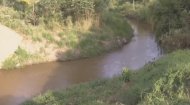
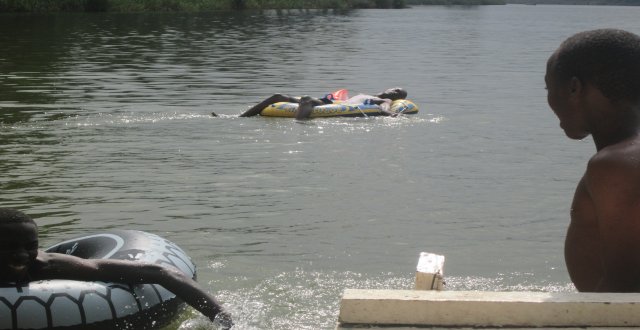
Have a paddle, splash about or canoe in the Rwizi River that flows through the south of Mbarara.
That's It!


|
|
|
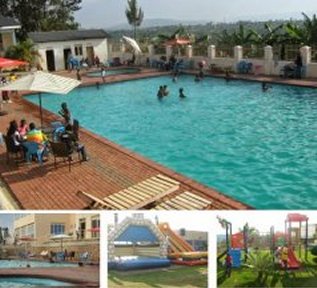
In stark contrast to the wild unpredictability of the natural waters is the sanctuary offered by private and public swimming pools. These controlled environments are typically found in major urban hubs like Mbarara, the regional capital, and popular tourist towns such as Fort Portal, gateway to the crater lakes region, and Kabale. The most reliable, well-maintained pools are usually hosted within established international hotels, resorts, and private lodges. For expatriates and short-stay tourists seeking guaranteed safety, these pools represent the default choice for relaxation and fitness. When choosing a pool, however, a crucial do and don't applies: Do confirm that the facility maintains rigorous hygiene standards, including regular water testing and filtration. While generally safer, poorly maintained pools can still present risks, usually involving chemical irritation or minor bacterial contamination. Addressing cultural sensitivities is an indispensable part of enjoying swimming in Western Uganda. The region is predominantly conservative, and while swimming attire at private tourist resorts and hotels is internationally acceptable (bikinis, trunks), discretion is paramount when engaging with water in public or semi-public spaces. If visiting a local water source, a riverbank used for washing clothes or a communal village tap, swimwear is wholly inappropriate. Even when using a public pool in a town centre, attire should be modest when moving between the changing room and the pool deck. Excessive displays of affection or loud, boisterous behaviour near water bodies used by locals for daily chores, such as drawing water or bathing children, must be avoided to show respect for traditional usage and community space. The Western Uganda Network suggests you always consult local guides or reputable lodge staff about the safety status of any natural water body before entry; local knowledge is the best defence against wildlife and unpredictable currents. DON'T swim alone in any lake or river, regardless of how calm it appears. DO ensure children are closely supervised, as the deep volcanic waters of many crater lakes can plunge rapidly to great depths just metres from the shore. Regarding health, DO take preventative measures, such as applying insect repellent near water, and DON'T swallow pool water or natural lake water under any circumstances. Furthermore, when using hotel pools, DO look for visible signs of chlorination and clear, regularly skimmed water; a cloudy or heavily scented pool might indicate poor chemical balance. If you are looking to chill out and have a swim and sunbathe, why not pay a visit to the Big Fun Family Entertainment Centre close to the centre of Mbarara. Within the centre, there is a proper swimming pool, a paddling pool, a cafe/restaurant and a play area for the kids, including rides and a bouncy castle. The views are also stunning as well and it's all oh so very cheap! Big Fun also has facilities for private parties, wedding receptions and meetings. It's not all that easy to find and isn't really signposted, but once you have been, you'll remember an enjoyable day out ~ it really is Big Fun! |



Swimming in Western Uganda GuideA swimming in western Uganda guide including river and lake locations, health issues, safety, cultural sensitivities, and public and private swimming pools Tags: Swimming in Uganda, Swimming in Uganda Guide, Swimming in Uganda Safety, Swimming in Uganda River and Lake Locations, Swimming in Uganda Health Issues, Public and Private Swimming Pools in Uganda |