Explore the hidden and unspoilt
 delights of Western Uganda
 with its breathtaking scenery.
 Discover the best things to do
 in the 'Pearl of Africa'!
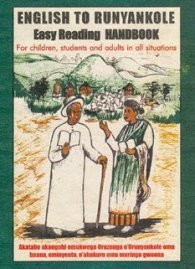
Runyankole is a Bantu language spoken by around two and a half million people in south-west Uganda, particularly around the old Nkore and Mporora kingdoms that were subsumed into the Protectorate of Uganda under the Ankole Agreement of 1901. The language is also known as Nyankore, Nyankole, Nkole, Orunyankore, Orunyankole and Runyankore. Whilst a very old language, the written word was not commonplace in its location until the arrival of the Europeans in the late 19th century with many of the guides and dictionaries being produced in the aftermath of the Second World War such as Charles Taylor's "A Simplified Runyankore-Rukiga-English and English-Runyankore-Rukiga Dictionary" of 1955. Some of the guides give testament to their age by teaching expressions such as "The smith forges spears" and "How fine the cows are" !
When attempting to learn Runyankole, it is important to remember the language should be seen within its context. For example, in the West there is a twenty-four-hour clock, but in the Runyankole language area, the clock starts at 6 am (marking daylight), so noon would be 6 o'clock and evening similarly starts at 6pm, so 9pm would be 3 o'clock. To compound these localised influences, Runyankole is generally spoken very quickly, the letters "r" and "l" are interchangeable, r's are rolled, there are many "ch" sounds (written as 'ki' and 'ky'), and there are often half a dozen ways of saying the same thing! As such, any attempt to learn Runyankole is fraught with difficulties, and in all likelihood, you will pick up the essentials such as "My name is" (Eizina ryangye nyine); "Yes" (Eego); "No" (Ngaaha) and "Thank you" (Webare) but becoming fluent in conversational Runyankole may take some time! To learn more about how to learn the Runyankole language, download the PDF or app below.
One of the most effective tips to speak and learn Runyankole is consistent exposure and active practice. Don't be afraid to speak from day one, even if you only know a few words. Engaging in simple greetings like "Oraho" (hello) or "Webale" (thank you) can spark conversations and encourage locals to help you. These interactions are invaluable for picking up common phrases and understanding the natural rhythm of the language. For those considering employment opportunities in Uganda, particularly in tourism or local businesses, a grasp of Runyankole can be a significant advantage, demonstrating respect and a willingness to integrate into the community.
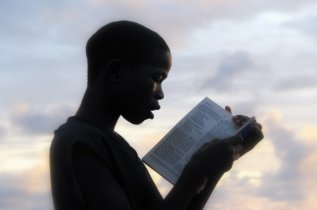
To accelerate your learning, seek out opportunities for immersion. Visit local markets, engage with vendors, or simply listen to conversations around you. Many of the region's stunning tourist attractions, such as Lake Mburo National Park and the various cultural sites, become even more meaningful when you can interact with local guides and communities in their mother tongue. Consider finding a language partner or a tutor who can provide structured lessons and feedback. They can help you navigate grammar and pronunciation nuances that might be challenging on your own.
Practically speaking, everyday situations offer excellent learning chances. When looking for various types of accommodation, from guesthouses to homestays, try to use Runyankole phrases with your hosts. Even minimal effort is often met with great appreciation and willingness to assist. Tuning into local radio stations, listening to Runyankole music, or even trying to follow local news discussions can train your ear and expand your vocabulary naturally. You'll soon start picking up on common idioms and interesting facts about the culture directly from the source, enriching your understanding far more than any textbook could.
These pages are here to help with the basics of Runyankole, teaching you common expressions and other words and phrases in everyday use. Be mindful that whilst most speak Runyankole in the south-west of Uganda, most also speak passable English, so deployment of the two languages will hold you in good stead, and, as ever, as a visitor amongst such warm and friendly people, even a smattering of the use of Runyankole will impress! Below, we present some basic Runyankole language essentials that will assist in day-to-day interactions. Even if you only learnt these words and expressions, your stay in the Runyankole-speaking area will be much enhanced. Turebane bwanyima!
| English | Runyankole |
| No | Ngaaha or apaana |
| Yes | Eego |
| Thank-you | Webare |
| Thank-you very much | Webare munonga |
| You're welcome | Webare kusiima |
| My name is | Eizina ryangye nyine |
| Good morning, how are you? | Oraire ota |
| I'm fine | Ndyaho |
| It's how much? | Ni shiringi zingahi? |
| How are you? | Agandi |
| See you later | Turebane bwanyima |
| Pardon, didn’t understand? | Wanji |
| I want – I would like | Ninyenda |
| How much does it cost? | Noguza ota? |
| I want to pay | Ninyenda kushashura |
| Have a safe journey | Ogyendegye |
Uglish (Ugandan English)
|
Runyankole Days and Months
|
Ugandan National Anthem
|
Runyankole Manual
|
Runyankole App
|

|
Main sections of this site:

As yet largely uncommercialised,
Western Uganda has many tourist
attractions for the explorer to visit.

As well as the main tourist attractions
there are many other activities
to enjoy in Western Uganda.
A guide to the main towns in and
around Western Uganda, where to stay,
eat and things to see and do.

A comprehensive guide to the best
places to stay when visiting Western
Uganda from hotels to camp sites.