Western Uganda Guide


Kibiro Hot Springs

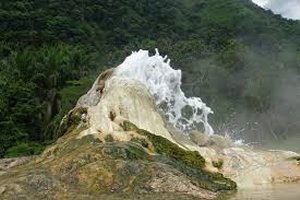
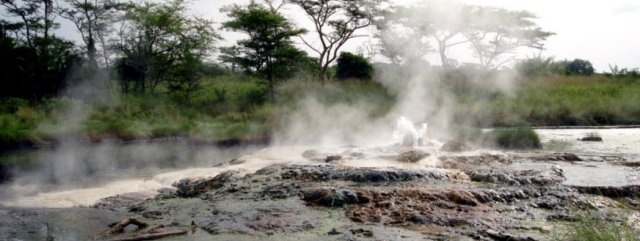
On the western shores of Lake Albert, lie the Kibiro Salt Gardens and Hot Springs, with the word “Kibiro” itself is believed to originate from the local language, meaning either 'place of healing' or 'source of strength'. The site, with its steaming mineral springs and ancient salt labyrinths, has long been a place of reverence for local communities, but also draws visitors seeking a unique blend of adventure, cultural immersion, and the rejuvenating effects of nature. The history of Kibiro is as rich as the salt that once fuelled its trade. For millennia, the area has been a hub of activity for the Madi people, an ethnic group whose traditions are deeply intertwined with the land and its resources. Oral histories passed through generations recount how the Madi and neighbouring communities discovered the briny springs and salt deposits as a life-sustaining commodity.

Salt was once a cornerstone of the region’s barter economy, exchanged for goods ranging from livestock to grain. Traders navigated the challenging landscape, traversing dense forests and rocky paths to reach Kibiro, where they harvested salt by collecting brine from the springs and evaporating it in large, meticulously crafted earthen pots. These rudimentary yet effective methods not only sustained local diets but also fostered connections between communities across the region.

Beyond its economic value, Kibiro holds profound cultural significance for the Madi people. The hot springs and salt gardens are woven into their spiritual and social fabric, serving as sites for rituals, ceremonies, and communal gatherings. Elders often speak of the springs as sacred, believing they are inhabited by ancestral spirits that bless the land with vitality. Traditional celebrations here might include offerings of salt, which is seen as a symbol of purity and longevity. For instance, during rites of passage such as weddings or coming-of-age ceremonies, salt from Kibiro is used to anoint participants, symbolising protection and good fortune. The Madi also associate the area with fertility, attributing agricultural prosperity to the minerals carried by the hot springs into the soil. In contemporary times, the site remains a living heritage, with local families maintaining practices that honour their ancestors while adapting to modern influences. Tourists who engage with these traditions often find themselves moved by the profound respect the Madi hold for their environment and the spiritual narratives that define their identity.

The healing properties of Kibiro's hot springs and salt have been celebrated for generations, both through anecdotal evidence and emerging scientific understanding. The mineral-rich waters, which emerge from the ground at temperatures ranging between 40°C and 50°C, are believed to possess therapeutic qualities that address a range of ailments. Locals often speak of the springs as a remedy for skin conditions, such as psoriasis or eczema, attributing these effects to the high concentration of sulfur and magnesium. Similarly, the salt from Kibiro, with its pinkish hue and coarse texture, is used in traditional body scrubs and poultices to soothe muscle aches and detoxify the skin. While these claims are rooted in cultural practice, recent studies on mineral springs in similar geological contexts suggest that the combination of heat and trace elements can indeed promote improved circulation, reduce inflammation, and alleviate stress.


Kibiro Hot Springs

Kibiro Hot Springs

Kibiro Hot Springs

Kibiro Hot Springs


Kabwoya Reserve

Kabwoya Wildlife Reserve

A guide to the Kabwoya Wildlife Reserve near Hoima, including its wildlife, conservation and research.
More >


Kibiro Salt Gardens and Hot Springs

Kibiro Salt Gardens and Hot Springs Guide

Visitors to Kibiro often describe the experience of submerging in the warm, briny waters as both physically relaxing and mentally restorative. Whether the springs are approached as a sceptic or a believer, the sensory impact of the environment, a mix of earthy scents, rhythmic steam rising from fissures, and the hum of distant water, creates an atmosphere of tranquillity.

For those planning to visit Kibiro, a thoughtful approach is essential to ensure both personal enjoyment and respect for the site’s ecological and cultural integrity. The journey to Kibiro begins with a flight to Entebbe International Airport, followed by a road trip through northern Uganda. The route, while scenic, requires some preparation, as remote stretches lack reliable infrastructure. Travellers are advised to hire experienced local guides who can navigate the terrain, share insights into the region’s history, and facilitate interactions with Madi communities.

The best time to visit is during the dry season, from June to September, when the trails are more accessible, and the risk of flooding in nearby rivers is minimised. Upon arrival, visitors should approach the site with a spirit of curiosity and humility, asking for permission before entering the labour-intensive process of evaporating brine can be witnessed. Midday often transitions to relaxation at the hot springs, where the contrast between the scorching sun and the soothing waters offers a unique sense of balance.

To enhance the experience, travellers should consider immersing themselves in the local culture by participating in workshops or community dialogues. Some Madi families offer opportunities to learn traditional salt-making techniques or sample dishes infused with locally harvested salt, providing a tangible connection to the region’s heritage. For safety, it’s essential to avoid the springs if you have open wounds, as the mineral content can irritate. Additionally, reusable water bottles and biodegradable toiletries can help minimise environmental impact. The juxtaposition of Kibiro's ancient practices and modern tourism underscores the fragility of preserving such sites.

For more about the Kibiro Salt Gardens and Hot Springs, check out the video above left, then explore the area further using our location map below.