
|
Chimpanzees in Uganda |
Chimpanzees in Uganda |
Chimpanzees in Uganda | Chimpanzees in Uganda |


|
|

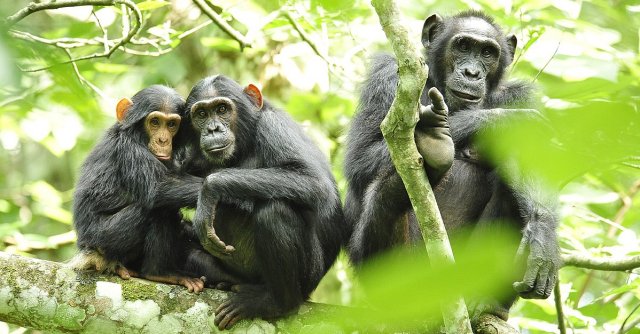
Chimpanzee trekking serves a powerful dual purpose. It provides life-changing opportunities for tourists to witness primate behaviour in an authentic setting, observing everything from delicate grooming sessions and infant play to intense dominance displays and complex cooperative hunting strategies. More importantly, the revenue generated from the sale of trekking permits feeds directly back into the protected areas. This economic incentive provides substantial funding for anti-poaching patrol units, ecological research, and crucial community outreach programs. By giving local communities living around the national parks a tangible stake in the chimpanzee’s survival, Uganda has been able to create a protective buffer around these essential habitats, demonstrating a highly effective link between conservation and sustainable tourism development. Despite these successes, conservation efforts in Uganda remain critically important, given the intense pressure exerted by one of Africa’s fastest-growing human populations. The primary threat facing the Eastern Chimpanzee is habitat fragmentation and loss, driven by agricultural expansion, unsustainable logging practices, and the development of infrastructure. When forest corridors are cut off, small chimp communities become isolated, leading to genetic weakening and increased vulnerability to disease. The illegal wildlife trade, though less prevalent for chimpanzees than for other species, also poses a risk, particularly the taking of infants for the exotic pet market, a practice which invariably results in the death of the mother protecting her young. To address these challenges, dedicated organisations collaborate with UWA, implementing programs that focus not only on protecting the chimps currently in the wild but also caring for those who can no longer survive independently. One of Uganda’s most famous conservation successes is the Ngamba Island Chimpanzee Sanctuary which was established in 1998. Situated approximately 23 nautical miles offshore from Entebbe on Lake Victoria, Ngamba is a dedicated home for orphaned and rescued chimpanzees. Spanning 100 acres of forested land, the sanctuary provides a safe, semi-natural environment for dozens of chimps that have been recovered from poachers, military conflicts, or illegal trade. Ngamba Island operates under the guardianship of the Chimpanzee Trust, offering the apes lifelong care and refuge. The chimps on Ngamba cannot be released back into the wild, primarily because they lack the necessary survival skills or may carry diseases that could endanger wild populations. Visitors to the island are provided educational tours, watching the chimps during scheduled feeding times from a fenced viewing platform. This sanctuary is vital as it not only provides welfare for vulnerable chimpanzees but also serves as a critical educational tool, raising awareness both locally and internationally about the devastating impact of illegal trade and the urgent need for habitat preservation on the mainland. The existence of Ngamba ensures that the victims of human encroachment still receive care, while simultaneously funding research and providing opportunities for people to learn about chimpanzee behaviour without disturbing wild troops. You can access Ngamba Island by plane; however, a better option for those on a budget is by boat, which takes 30-40 minutes depending on sea conditions. You can either go to meet the chimpanzees on a day trip or overnight excursion. The project also offers long-term volunteer stays described by one recent volunteer as "one of the most magical experiences of my life". You can even adopt one of the chimps. You can visit their website below.
The future of the Eastern Chimpanzee in Uganda hinges entirely on the ongoing commitment to manage these protected areas effectively and to continue supporting the framework of sustainable, responsible tourism. By offering world-class experiences like chimpanzee trekking, Uganda ensures that the survival of the great apes remains economically valuable. |




Chimpanzees in Uganda GuideA chimpanzees in Uganda guide including their habitats, locations, conservation efforts, together with details of chimpanzee trekking and the sanctuary on Ngamba Island Tags: Chimpanzees in Uganda, Chimpanzees in Uganda Guide, Chimpanzees in Uganda Habitats, Chimpanzees in Uganda LOcations, Chimpanzees in Uganda Conservation Efforts, Chimpanzees in Uganda Ngamba Island Sanctuary |