|
Wambabya Falls | Wambabya Falls | Wambabya Falls | Wambabya Falls |
|
|
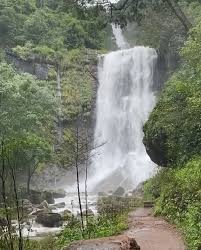

While Wambabya Falls is a relatively lesser-known destination compared to Uganda’s more iconic attractions like Murchison Falls or the Bwindi Impenetrable Forest, it holds its own in terms of ecological and recreational appeal. The surrounding area is part of a broader network of waterways and wetlands, which contribute to the hydrological balance of the region, with the nearby Kabalega Hydroelectric Power Station being located in Buseruka Village, close to the eastern shores of Lake Albert. Conservation efforts have become a cornerstone of preserving Wambabya Falls and its ecosystem. The Uganda Wildlife Authority, along with non-governmental organisations and local cooperatives, have implemented measures to prevent erosion, monitor water quality, and educate visitors on minimising their environmental impact. These initiatives are critical in combating threats such as deforestation, pollution, and unregulated tourism, which risk disrupting the delicate balance of the area’s biodiversity. The surrounding forests and wetlands, including the Wambabya Central Forest Reserve, are home to a myriad of species, including the endangered chimpanzee, various bird species like the crowned eagle, the African Fish Eagle, the Shoebill Stork (often seen in nearby Mabamba Swamp), Kingfishers, Weavers (like the Papyrus Gonolek), Sunbirds, and Cranes. Visitors can also spot a host of amphibians and reptiles, including the Golden Puddle Frog and Kivu Clawed Frog, together with Duke of Abruzzi’s, silver and Mongalia Free-tailed bats (a species of conservation concern), as well as plant species including Mutuba trees For those planning a visit to Wambabya Falls, which are often visited together with the Kabalega Hydropower station, take a vehicle from Hpima itself heading west toward Buseruka Sub-County, where River Wambabya and the falls are located. Please note, there is no formal signposted tourist route, but follow the main Hoima–Buseruka road (mostly tarmac/murram depending on conditions) until reaching local villages and junctions near Wambabya or nearby forestry areas. From there, a local guide, boda-boda (motorcycle taxi), or 4×4 vehicle can take you on the final leg to where the cascades are visible (often 2–5 km off the main road, depending on rainy-season water levels). If you don’t have access to your own car, you can hire a private taxi or take a boda-boda from Hoima to Buseruka/Wambabya locality and then to the river site. Local drivers often know the rough access points to Wambabya Falls and the scenic spots along the river where the water cascades over the escarpment. Please note, roads beyond Hoima can become rough or muddy in rainy seasons, so a 4×4 or robust vehicle is recommended. |



Wambabya Falls GuideThe Wambabya Falls, also known as Kikonko Falls, are a spectacular natural cascade in Uganda, fed by the Wambabya River flowing into Lake Albert, with video, directions from Hoima and location map Tags: Wambabya Falls, Wambabya Falls Guide, Wambabya River Falls, Wambabya Falls Hoima, Wambabya Falls Video and Location Map, Wambabya Kikonko Falls |