
|
Ziwa Rhino Ranch | Ziwa Rhino Ranch | Ziwa Rhino Ranch | Ziwa Rhino Ranch |



|
|
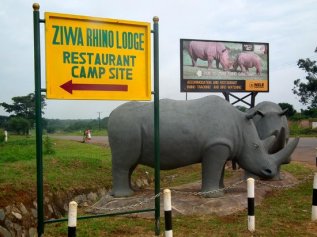
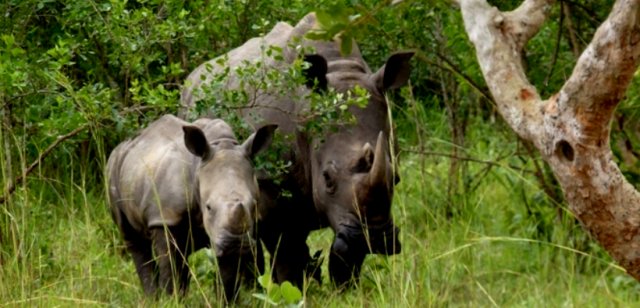
The ranch is accessible by road from Hoima, a journey of approximately two hours. Many tour operators offer packages that include transport and accommodations at nearby lodges, such as Ziwa Rhino Camp, which blends rustic charm with eco-friendly practices. The best time to visit is during the dry season (November to April), when wildlife is more visible, and the terrain is navigable. Visitors are recommended to carry essentials like binoculars, sunscreen, and reusable water bottles to stay hydrated and minimise environmental impact. While the ranch prioritises wildlife safety, guests are advised to follow the guide's instructions and refrain from feeding animals. Tickets are reasonably priced, with proceeds directly supporting conservation and community projects, making every visit a contribution to a larger cause. At its core, Ziwa Rhino is a triumph of conservation. The ranch’s rhino breeding program has achieved remarkable success, with many calves born in captivity now thriving in the wild. Collaborations with organisations like the Uganda Wildlife Authority (UWA) and the International Rhino Foundation ensure that anti-poaching efforts remain robust, utilising GPS tracking collars and rapid response teams to deter illegal activity. Habitat restoration projects, such as reforestation and wetland protection, further bolster the resilience of the ecosystem. Moreover, the ranch serves as an educational platform, hosting workshops for researchers, policymakers, and the public on topics like sustainable tourism and climate adaptation. By sharing its expertise, Ziwa Rhino has elevated Uganda’s role on the global conservation stage, proving that even small sanctuaries can catalyse large-scale change. The wildlife beyond rhinos is equally captivating, offering a glimpse into the intricate tapestry of Uganda's natural world. The ranch is a mosaic of grasslands, acacia savannahs, and riverine forests, each habitat teeming with life. Herds of topi and Uganda kob migrate across the plains, while rare antelope species like the shoebok and waterbuck graze in the distance. Bird enthusiasts will marvel at the diversity, from the striking lilac-breasted roller to the endangered papyrus gonolek. The ranch’s commitment to preserving these ecosystems ensures that future generations can witness the same wonders. Through careful management, visitors are reminded that conservation is not just about saving individual species but safeguarding entire ecological communities.
|




Ziwa Rhino and Wildlife Ranch GuideA Ziwa Rhino and Wildlife Ranch guide founded to protect the endangered greater one-horned rhino through conservation, together with video, and location map Tags: Ziwa Rhino Ranch, Ziwa Rhino and Wildlife Ranch Guide, Ziwa Rhino Conservation Ranch, Ziwa Rhino Ranch Video Guide, Ziwa Rhino Ranch Location Map, Ziwa One-Horned Rhino Ranch |