Western Uganda Guide


Batwa Experience

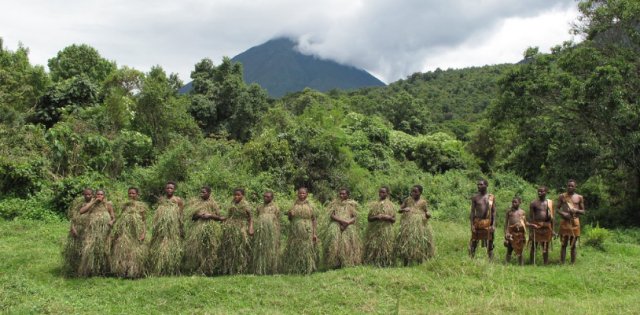
In the southwestern reaches of Uganda, where the dense foliage of the Bwindi Impenetrable National Park cloaks ancient mountains, lies a must-visit encounter with one of humanity's oldest surviving cultures: the Batwa Pygmies. Known as the "Keepers of the Forest," these original inhabitants of the Bwindi forest are believed to have resided there for millennia; however, in 1991, they were evicted from their homes for conservation purposes, which led them to live a beggar's life just outside the forest with limited resources. Despite their eviction, they are still deeply connected to the forest, maintaining their traditions through hunting, music, dancing, and storytelling. The Batwa Experience now offers visitors an unparalleled opportunity to delve into the rich tapestry of their history, understand their complex background, and witness a recreation of their traditional way of life.

The genesis of The Batwa Experience emerged from a recognition of this injustice and a desire to provide the Batwa with a sustainable livelihood, restore their dignity, and preserve their fading culture. Spearheaded by community-based organisations and conservation partners, the initiative enables the Batwa to share their history and traditions with the outside world on land specifically acquired for this purpose, adjacent to the park boundaries. It is a carefully curated journey, designed not only to educate tourists about the Batwa's incredible heritage but also to generate much-needed income directly for the communities, empowering them to rebuild their lives in small, congested houses outside the forest that was once their sanctuary. Incidentally, many Batwa marry in their teens, which has led to a significant increase in their population.

The journey into the world of the Batwa typically begins with a guided walk led by Batwa elders and community members who once called the forest home. These guides, often dressed in traditional attire made from bark cloth, welcome visitors with warm smiles and an eagerness to share their stories. As you traverse a trail that mimics the paths they once trod, they introduce you to the forest as they knew it, pointing out various trees and plants. They explain their traditional uses for medicinal purposes, as food, and for constructing their simple yet ingenious shelters. This initial phase of the experience is crucial for understanding the deep interdependency between the Batwa and their environment, setting the stage for the immersive activities that follow.

Among the many things to see and do, visitors are treated to fascinating demonstrations of the Batwa's extraordinary survival skills. You can watch in awe as a Batwa man skilfully makes fire using only two pieces of wood and friction, a technique passed down through countless generations. Learn about their intricate hunting methods, observing how they set traps for small game or expertly shoot arrows from a handcrafted bow, a stark reminder of their hunter-gatherer past. You might also witness the construction of a temporary grass hut, a testament to their resourcefulness and ability to live lightly on the land. These practical demonstrations are not merely performances; they are living lessons in ancestral wisdom and an intimate glimpse into the ingenuity that allowed them to thrive in the challenging forest environment.


Batwa Experience

Batwa Experience

Batwa Experience

Batwa Experience


Edirisa Museum

Igongo Cultural Centre

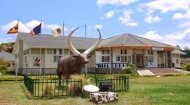
The Igongo Cultural Centre is a museum near Mbarara promoting the rich cultural heritage of western Uganda.
More >


Batwa Experience

Batwa Experience Guide

The experience then deepens into a profound cultural immersion. Visitors are often invited into a recreated traditional Batwa home, typically a grass-thatched hut, where elders recount tales of their lives in the forest, sharing legends, myths, and personal anecdotes that weave a vivid picture of their past. These storytelling sessions, often accompanied by the crackling of a small fire, are central to the preservation of their oral history and provide invaluable insights into their worldview. It is there that the profound cultural significance of their connection to the forest truly manifests, as they describe their spiritual beliefs, their reverence for nature, and the intricate social structures that governed their community.

Music and dance form another vibrant cornerstone of the Batwa Experience and are among the most captivating activities. The rhythmic drumming, enchanting melodies, and energetic dances are far more than entertainment; they are a powerful expression of their joy, sorrow, spirituality, and collective memory. Visitors are often encouraged to participate, learning simple dance steps and joining in the singing, fostering a sense of shared humanity. These performances celebrate milestones, honour ancestors, and are used in rituals and ceremonies, embodying the very soul of the Batwa people and their enduring spirit despite immense hardship. The songs often tell stories of the forest, its animals, and the challenges they have faced, serving as a living archive of their heritage.

Beyond the demonstrations and performances, the Batwa Experience fosters direct interaction with community members, providing an opportunity to understand their current challenges and aspirations. Many Batwa families now engage in craft-making, creating beautiful woven baskets, intricately carved wooden figurines, and other handmade souvenirs. Purchasing these items directly from the artisans is one of the most tangible things to do to support their livelihoods, providing them with essential income. This interaction allows visitors to ask questions, share stories, and gain a deeper appreciation for the resilience and adaptability of the Batwa people as they navigate a world vastly different from their traditional existence.

Ultimately, The Batwa Experience serves as a powerful educational tool and a crucial bridge between two worlds. It highlights the profound importance of indigenous knowledge, the impact of conservation policies on local communities, and the ongoing efforts to integrate the Batwa into contemporary society while preserving their unique heritage.

Batwa Experience Website