Western Uganda Guide


Mgahinga National Park

Mgahinga National Park is the most southern of the national parks in Uganda, and takes its name from "Gahinga" - a local word for volcanic stones. It is also the smallest national park in Uganda, covering just 33.7 square kilometres, but one of the most popular, being home to mountain gorillas and the golden monkeys. Sitting high in the clouds and surrounded by dense forest, Mgahinga Gorilla National Park is also home to the indigenous Batwa pygmy people, "forest dwellers". However, with the establishment of conservation areas and the growing need to protect critical habitats, the Batwa were eventually relocated, marking a significant shift in the park's human history. Today, Mgahinga aims to balance the needs of wildlife with the livelihoods of surrounding communities through initiatives like community tourism.

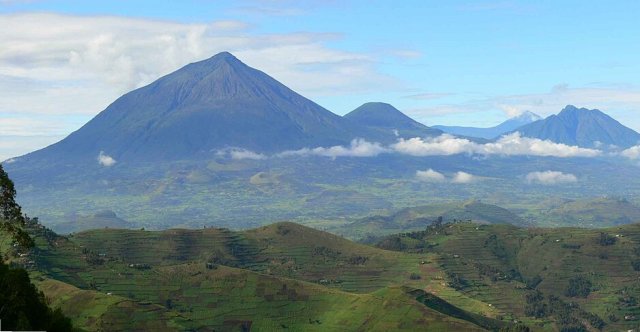
Three of Mgahinga's volcanoes – Muhabura, Gahinga, and Sabyinyo – form the prominent peaks within the park's boundaries with their slopes cloaked in montane forest. This volcanic terrain, characterised by steep inclines, mist-shrouded ridges, and fertile soil, creates a microclimate ideal for a remarkable array of wildlife.

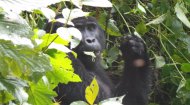
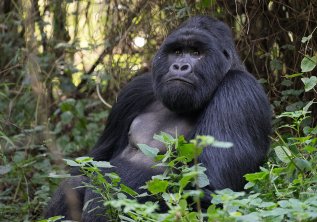
The primary draw for most visitors to Mgahinga National Park is the opportunity to encounter mountain gorillas. Gorilla trekking there offers a unique and intimate experience. Unlike larger parks, Mgahinga's gorilla population is relatively stable, and the trekking routes are generally less crowded, allowing for a more profound connection with these intelligent primates. The trek itself is an adventure, involving navigating through dense vegetation, often on steep and sometimes muddy terrain. However, the reward of spending an hour observing a gorilla family in their natural habitat, witnessing their social interactions and gentle demeanour, is an experience that stays forever.

The park is also home to a significant population of the endangered golden monkey, a strikingly beautiful primate with golden-orange fur and the trek to find them is often less strenuous than with the the gorillas, and their vibrant colouration and playful nature make for fantastic photographic opportunities. Birdwatchers will also find over 180 avian species recorded, including several endemic to the Albertine Rift, including the Rwenzori Turaco, Shelley’s Francolin, and the Archer’s Robin-Chat, among many others. The forest floor teems with smaller creatures, and if you’re lucky, you might spot bushbucks, duikers, and various species of reptiles and amphibians. The park’s different altitudinal zones support distinct flora and fauna, from the bamboo forests at lower elevations to the Afro-alpine vegetation at higher altitudes.

For those interested in the cultural heritage of the region, the Batwa Cultural Trail offers an invaluable insight into the traditional way of life of the indigenous Batwa people. This guided walk, led by Batwa guides themselves, takes visitors through the forest, showcasing their ancestral hunting and gathering techniques, medicinal plant knowledge, and demonstrating their traditional dances and music. Also, take time to check out Garama Cave, which can be found close to the park's headquarters. This is a sacred place for the Batwa and is one of many caves in the park created by lava tubes when the volcanoes were active. These Virunga Volcanoes are also an attraction in themselves. Hiking one of the volcanoes, particularly Mount Muhabura, for the more adventurous, offers breathtaking panoramic views of the surrounding landscape, including lakes and distant mountain ranges. The trails vary in difficulty, catering to different fitness levels, and the journey through diverse vegetation zones is an adventure in itself.


Mgahinga National Park

Mgahinga National Park

Mgahinga National Park

Mgahinga National Park


Batwa Experience

Batwa Experience

Step back in time to see how the Batwa lived in the Bwindi, one of the planet's most beautiful jungles.
More >


Mgahinga National Park Gorillas

Mgahinga Gorilla National Park Guide

When planning a visit to Mgahinga National Park, accommodation options range from basic to luxurious, catering to various budgets and preferences. Within or near the park boundaries, several lodges and campsites offer convenient access to trekking starting points and park activities. These establishments often blend seamlessly with the natural environment, providing stunning views and a tranquil atmosphere. Some lodges offer guided nature walks, birding excursions, and cultural experiences on-site, enhancing the overall visitor experience. For those seeking a more rustic experience, designated campsites within or near the park provide an opportunity to sleep under the stars, surrounded by the sounds of the African bush. Many of these campsites are equipped with basic facilities, and some offer the option of hiring camping gear. It is also worth noting that there are more upscale lodges located a short drive from the park entrance, offering a higher level of comfort. Regardless of the choice, booking accommodation in advance is highly recommended, especially during peak tourist seasons.

To make the most of your trip to Mgahinga National Park, here is some essential advice for visitors. Firstly, gorilla and golden monkey trekking permits are mandatory and must be booked well in advance, as availability is limited. These permits are a significant contributor to conservation efforts and the local communities. Secondly, be prepared for varying weather conditions. The montane environment can be unpredictable, with sunshine one moment and rain the next. Lightweight, waterproof clothing is essential, as are sturdy, broken-in hiking boots. Long trousers and long-sleeved shirts are highly recommended to protect against insect bites and thorny vegetation. Thirdly, pack insect repellent and sunscreen. The high altitude offers some respite from the heat, but the sun can still be strong, and mosquitoes are present. Fourthly, carry sufficient drinking water and snacks for your treks. The physical exertion involved can be considerable, and staying hydrated is crucial.

Fifthly, maintain a safe distance from animals, especially gorillas, and do not feed them. Follow the instructions of your guides at all times, as they are knowledgeable about the terrain and the behaviour of the wildlife. Finally, consider bringing binoculars for birdwatching and a good camera to capture the incredible scenery and wildlife. Engaging with the local community and respecting their culture is also paramount. Learning a few basic phrases in the local language can go a long way. Remember that a visit to Mgahinga is not just a holiday; it's an opportunity to contribute to conservation and experience the raw, untamed beauty of nature. Now check out the main tourist attractions in the park in the above video.

Mgahinga National Park Website


Tourist
Attractions

Western Uganda Tourist Attractions


Best Things
To Do

Things to do in Western Uganda Guide


Main Ugandan
Towns

Main Ugandan Towns


Western Uganda
Accommodation

Accommodation in Western Uganda Guide