
|
Entebbe Botanical Gardens | Entebbe Botanical Gardens | Entebbe Botanical Gardens | Entebbe Botanical Gardens |



|
|
|
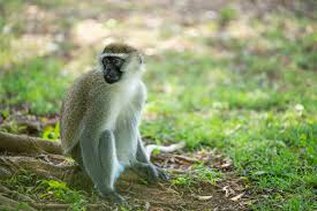
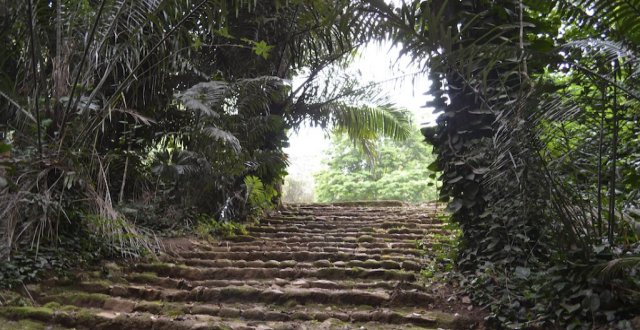
Beyond the stationary beauty of the plants, the Entebbe Botanical Gardens is equally famous for its animal life, thriving in the protected environment where the jungle meets the lake. The gardens are considered one of Uganda's premier birding spots, attracting ornithologists from across the globe keen to spot species that are often difficult to find elsewhere. Over 115 species of birds have been documented within the grounds, including the striking black and white casqued hornbill, the vibrant orange weavers, and various species of sunbirds. However, the true avian celebrity that draws hope and cameras is the elusive Shoebill Stork; while sightings require patience and luck along the muddy lakeshore fringes, the possibility of encountering this prehistoric-looking giant adds a thrill to every leisurely stroll. Also ampongst the 115 species of bird, are orange Weavers, black Weavers, black headed heron, long-tailed cormorant, giant king fishers, black headed gull, squaco, black headed gonolek and red chested sunbirds and many more, so an ideal opportunity for bird watchers to capture some amazing photographs and, if you are very lucky you will spot the Verreaux’s eagle owl; Africa's largest owl. The most visible and charismatic inhabitants, however, are the primates. Troops of Vervet monkeys are found everywhere, often seen playfully sparring or confidently demanding attention near the entry gates, but the true spectacle belongs to the indigenous Black-and-White Colobus monkeys. These elegant creatures, with their striking monochrome coats and long, flowing white plumes, traverse the high canopy with breathtaking agility and grace, offering unparalleled photographic opportunities. For the modern visitor, the list of things to see and do extends far beyond passive viewing, offering a genuinely restorative day out. Walking is, naturally, the primary activity, with miles of well-maintained paths that lead from open lawns down to the scenic shores of Lake Victoria. Many visitors choose to combine their nature walk with a boat trip departing from the nearby pier, offering a different perspective of the gardens from the water. Photography enthusiasts find endless inspiration in the diverse light conditions, from the deep shadows of the forest to the bright openness of the lakeside, while those seeking tranquillity often settle down on one of the numerous benches to simply listen or read. Picnicking is also a popular pastime, with families and couples enjoying the expansive green lawns often under the shade of ancient rain trees. The sheer size ensures that even on busy days, the gardens never feel crowded, allowing for personal moments of reflection and connection with nature. For the less agile, a vehicle tour is available, as are guides who will explain to you the various species of plant, birds and other animals, however however, if looking for a guide, be aware that even by Ugandan standards, they are particularly "needy", so you would be best advised to negotiate a price beforehand as if left, it may cause friction later. One traveller, Sarah M. from Nairobi, recently reflected on her visit, stating, "Stepping into EBG felt like entering an outdoor cathedral of green. The sheer scale of the trees and the quiet, continuous presence of the lake is profoundly grounding. It's a necessary escape, a place where the air itself feels cleaner and time genuinely slows down." This sentiment is echoed by academics and casual tourists alike, who appreciate the rare combination of historical preservation and wild, untamed beauty. Dr. Kwezi, a researcher from Uganda's Makerere University, offered a more scientific perspective, noting, "The gardens are essentially a living library of tropical African botany. The sheer number of labelled species and the pristine nature of the forest zones provide an invaluable resource for taxonomic work and conservation study. It's not just a beautiful park; it’s a critical institution." One of Entebbe Botanical Gardens' other claim to fame is that it was used as a backdrop to many of the Tarzan movies filmed in the 1940s! The current entry fee for foreign nationals is about £5.00 per person with opening hours 9am - 7pm daily. Phone +256 701 567881. |




Entebbe Botanical Gardens GuideAn Entebbe Botanical Gardens guide including its history, flora and fauna, video, opening times, entrance fees and an Entebbe Botanical Gardens location map Tags: Entebbe Botanical Gardens, Entebbe Botanical Gardens Guide, Entebbe Botanical Gardens Video, Entebbe Botanical Gardens Location Map, Entebbe Botanical Gardens Opening Times, Entebbe Botanical Gardens Flora and Fauna |