
|
Reptiles in Uganda |
Reptiles in Uganda | Reptiles in Uganda | Reptiles in Uganda |


Find out all about the former capital of Entebbe from its tourist attractions, its airport and accommodation.
More >
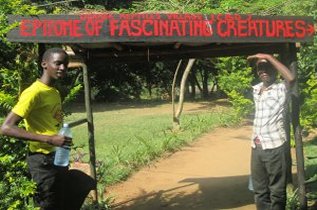
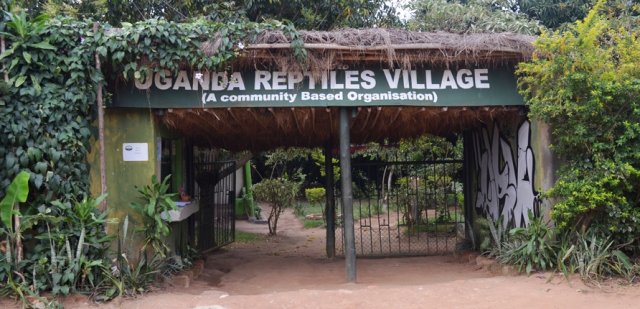
Despite their ecological significance, reptiles in Uganda face considerable conservation challenges. Habitat loss, driven by agricultural expansion and deforestation, remains the primary threat, fragmenting populations and reducing suitable territories. Human-wildlife conflict is also a major issue, particularly near settlements adjacent to major rivers where crocodiles pose risks to livestock and, occasionally, people. Furthermore, opportunistic illegal trafficking, particularly targeting exotic chameleons and large skin products from crocodiles and pythons, puts sustained pressure on wild populations. Efforts led by the Uganda Wildlife Authority (UWA) focus on protecting critical habitats and implementing community sensitisation programs aimed at reducing conflict and promoting the value of these creatures beyond fear and exploitation. Other information critical to understanding reptiles is their vital function within the food web. As both predators and prey, they maintain ecological balance, controlling insect and rodent populations (benefiting agriculture) and serving as food sources for birds of prey, mammals, and other reptiles. Recognising this intricate role transforms the perception of these creatures from objects of fear to essential components of a healthy ecosystem. Through continued research, dedicated protected area management, and robust community education, Uganda can ensure that its extraordinary population of reptiles, from the magnificent Nile Crocodile to the smallest colourful gecko, continues to thrive, adding another layer of wonder to this biodiverse African nation. In our opinion, the best place to see reptiles in Uganda is at the Uganda Reptile Village in Entebbe. The village is a bit off the beaten track and whilst accessible by car whose driver isn't too concerned about his/her suspension, a boda boda is preferable, or like us, you can walk to the village in around 30-40 minutes depending on how often the local kids come running to greet you shouting "muzungo, how are you?" before all of their brothers, sisters and cousins decide they should also come out and greet you! The reptile village, founded in 2002 by Yasin Kazibwe, a reptile expert, itself isn't that extensive, but a few very enjoyable hours can be spent there, not least because the committed staff are eager to guide you around the village, explaining all about the reptiles. Most of the reptiles found in Uganda are housed within the village environment, which comprises cages for visitor safety and temperature control or outdoor enclosures for reptiles such as crocodiles. For the squeamish, best look away whilst they feed live chickens to those crocodiles (um, that's nature for you), some of whom simply bask in the sun whilst the little chicks clamber all over them ~ until, of course, they get hungry! You will also get the chance, if you want, to handle tortoises and snakes. Our two intrepid reporters, Ian and Ben, had mixed reactions, with Ian embracing the opportunity whilst Ben embraced the opportunity to say "no!" to snake handling. All of the reptiles in the village have been rescued from danger, and part of the purpose of the centre is to how educate the local community about how to co-exist with reptiles safely, which is fine, but that's a bit hard when one of the creatures at the reptile village is a crocodile! (Please note, there is no guarantee of seeing any particular reptile, as many as possible are rehabilitated back into the wild, but are always replaced, so you won't be disappointed.) During your stay in Uganda, the reptile you will probably see most often is the "gecko" or lizard. These creatures can often be seen scuttling around the inside of your room or tent. They are utterly harmless but also offer a useful service in that they feed on mosquitoes or other insects. Whilst a bit unnerving at first, don't panic, they won't harm you, have no teeth, and set about their insect-clearing routines quietly and efficiently. Think of them as a cheap mosquito spray! After you've explored all of these reptiles in Uganda at the village, the kids will enjoy taking a canoe or pedalo ride and splashing around in the small canal dug out within the grounds of the reptile park. This is included in the very reasonable cost of entry. All in all, a well-recommended adventure when in Entebbe. There's a map above showing the reptile village is located only 3 km off the main Kampala road; follow the signs from Gombolola forest in Entebbe (close to Ssesegate beach), or from Petrocity petrol station in Abayita (just before Entebbe coming from the Kampala direction). Then there will be signposts guiding you at every junction. They can be contacted on +256 782 349583 during normal hours, seven days a week. |



Reptiles in Uganda GuideA reptiles in Uganda guide including snakes, crocodiles, lizards, tortoises, their habitats, conservation challenges, and a guide to the Uganda Reptiles Village in Entebbe Tags: Reptiles in Uganda, Reptiles in Uganda Guide, Reptiles in Uganda Habitats, Reptiles in Uganda Conservation, Reptiles in Uganda Challenges, Reptiles in Uganda Village Entebbe |