|
Gorilla Trekking Uganda | Gorilla Trekking Uganda | Gorilla Trekking Uganda | Gorilla Trekking Uganda |

|
|
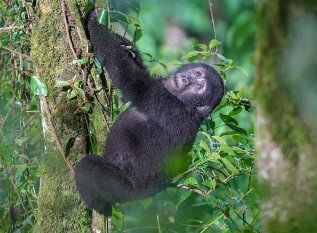
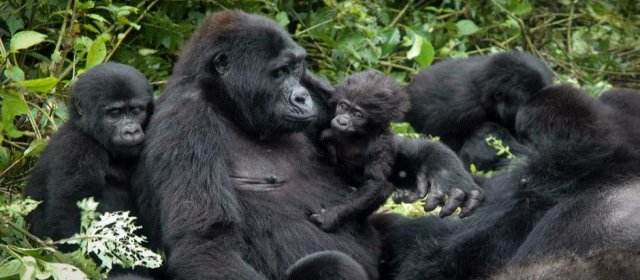
Planning is absolutely non-negotiable for both parks due to stringent conservation controls and high demand. The permit system is the lifeblood of gorilla conservation, regulating the number of visitors to minimise stress on the families and prevent disease transmission. A gorilla trekking permit currently costs c. USD 800 for foreign visitors in Uganda, a steep price that directly funds anti-poaching patrols, veterinary care for the gorillas, and community benefits that reduce pressure on the park boundaries. You will also have to pay forest entry fees of $40 as well as guide fees, making a total of around $1200 per person, so it's not exactly cheap, and that's just for a one-day trip. Obviously, if you opt for a two or three-day tour, the fees, including accommodation, rise as a result; however, seeing some of the last remaining 1000 mountain gorillas in the world is an unforgettable experience. If going with a family, be mindful that the minimum age is 15 years old and the authorities enforce this strictly. Experts unanimously advise booking permits at least six months to a year in advance, particularly for the high season months, as only eight permits are issued per gorilla family per day. "The permit fee is not a ticket," says Dr Gladys Kalema-Zikusoka, founder of Conservation Through Public Health, "it is a financial contract agreeing to participate in the protection of a species on the brink. Every dollar keeps the patrols moving and the communities invested." Without a confirmed permit, the journey remains impossible. The physical preparation for the trek should not be underestimated. Porters, hired from the local community, are highly recommended not only to assist with carrying daypacks through the dense bush but also as a fundamental way to inject tourist revenue directly into the local economy. Trekkers must carry enough water, wear layers suitable for unpredictable mountain weather, and utilise sturdy, waterproof gaiters and gloves to protect against stinging nettles and sharp vines. Health protocols are equally strict; temperatures are taken before departure, and anyone showing signs of flu or respiratory illness is absolutely barred from trekking. This measure reflects the fact that mountain gorillas share 98% of human DNA, making them highly susceptible to common human colds and viruses, which can be fatal to them. Although accessible all year round (so not exactly "impenetrable"!), tourists are recommended to avoid the rainy seasons as conditions there can become very difficult. As such, we recommend gorilla trekking in of June, July, August, September and December because there is much less rain, making it easier to trek and see the gorillas. In Bwindi, the average temperature throughout the year is 11°C/52°F in the morning and 23°C/73°F in the afternoon, so dress accordingly! Many different organisations run gorilla trekking tours in Uganda, but best to check out the Bwindi Forest National Park website using the button below to explore your options.
|




Gorilla Trekking Uganda GuideA gorilla trekking in Uganda guide exploring gorilla trekking tours in Bwindi Forest and the Mgahinga Gorilla National Park with, video, costs and location map Tags: Gorilla Trekking Uganda, Gorilla Trekking Uganda Guide, Gorilla Trekking Tours Uganda, Gorilla Trekking Uganda Bwindi Forest, Gorilla Trekking Uganda Mgahinga National Park, Gorilla Trekking Uganda Video |