Western Uganda Guide


Bwindi National Park

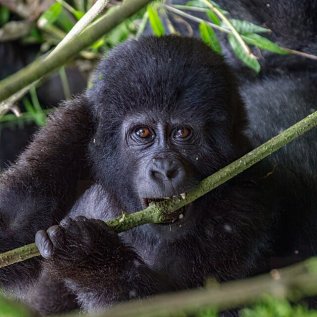
Bwindi Impenetrable National Park, located in the southwestern part of Uganda, is a UNESCO World Heritage Site and one of the most biodiverse places on the planet. The park has a rich history that dates back to the early 20th century when it was first gazetted as a forest reserve in 1932, and later upgraded to a national park in 1991. The park's name, "Bwindi", is derived from the Runyakitara language, meaning "impenetrable," which refers to the dense vegetation that covers the area. This dense foliage has played a significant role in protecting the park's incredible wildlife, including being a critical habitat for nearly half the world's endangered mountain gorillas, which are the main attraction for many visitors and can be tracked on guided tours led by experienced guides and park rangers, who are knowledgeable about the gorillas' behaviour and habitat.

In addition to gorilla tracking, the park also offers other activities such as birdwatching, hiking, and nature walks. The park's scenic trails offer stunning views of the surrounding landscape, including the Virunga Mountains and Lake Bunyonyi. For those interested in cultural experiences, the park offers visits to local communities, including the Batwa cultural village, where visitors can learn about the traditional way of life of the Batwa people.

The wildlife in Bwindi Impenetrable National Park is incredibly diverse, with over 200 species of trees, 100 species of ferns, and 1,000 species of flowering plants. The park is home to more than 200 species of birds, including the African green broadbill, the white-tailed blue flycatcher, and the brown-necked parrot. In addition to the mountain gorillas, the park is also home to other primates such as chimpanzees, baboons, and monkeys. Other wildlife found in the park includes elephants, buffalo, leopards, and antelopes.

Bwindi National Park is also recognised for its 27 Amphibian species; eleven (11) of which are Albertine Rift endemic while the 6 (six) are of global conservation interest including the Western Rift Leaf folding frog (Afrixalus orophilus) and Ahl’s Reed Frog (Hyperolius castaneus).The park's unique ecosystem is supported by its location in the Albertine Rift, which is one of the most biodiverse regions in Africa. The combination of tropical and subtropical climates, along with the park's high altitude, creates a unique environment that supports an incredible array of flora and fauna.

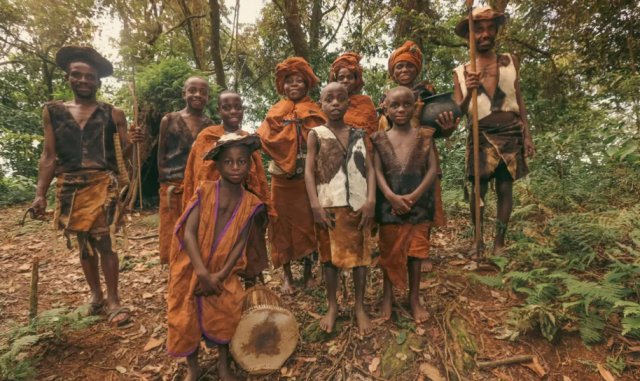
Bwindi is not only significant for its wildlife, but it also holds great cultural significance for the local communities. The park is home to several indigenous tribes, including the Batwa people (see below), who have lived in the area for thousands of years. The Batwa are a pygmy tribe that has traditionally relied on the forest for their livelihood, using the forest's resources for food, medicine, and shelter. However, with the establishment of the national park, the Batwa were forcibly removed from their ancestral land, leading to significant social and economic disruption. Today, efforts are being made to support the Batwa community, including the development of cultural tours and community-based tourism initiatives. These initiatives aim to promote the conservation of the park's natural and cultural resources, while also supporting the local community.


Bwindi National Park

Bwindi National Park

Bwindi National Park

Bwindi National Park


Batwa Experience

Batwa Experience

Step back in time to see how the Batwa lived in the Bwindi, one of the planet's most beautiful jungles.
More >


Bwindi National Park Gorillas

Batwa People Bwindi National Park Guide

There are several things to do in and around Bwindi Impenetrable National Park, depending on interests and preferences. For adventure seekers, the park offers guided hikes and treks, including the famous Buhoma-Nkuringo trail, which takes you through some of the most scenic landscapes in the park. For those interested in wildlife, the park offers guided tours, including birdwatching and primate tracking. The park also offers cultural experiences, including visits to local communities and cultural villages. In addition to these activities, the park also offers stunning scenery, including waterfalls, rivers, and lakes. For those looking to relax and unwind, the park offers several lodges and campsites, ranging from budget-friendly options to luxury lodges.

For visitors looking for nearby places to eat and accommodation, there are several options available. The town of Buhoma, which is located near the park's entrance, offers several restaurants and cafes, serving a range of local and international cuisine. The town also has several accommodation options, including budget-friendly guesthouses and luxury lodges. Some of the top-rated lodges in the area include the Bwindi Lodge, the Mahogany Springs Lodge, and the Volcanoes Safari Lodge. These lodges offer stunning views of the surrounding landscape, as well as comfortable and spacious rooms. In addition to these options, there are also several camping sites within the park, which offer a more rustic and adventurous experience.

In terms of nearby places to visit, Bwindi Impenetrable National Park is located near several other national parks and game reserves, including Queen Elizabeth National Park, Lake Mburo National Park, and the Mgahinga Gorilla National Park. The park is also located near the Virunga Mountains, which offer stunning scenery and hiking opportunities. The nearby town of Kisoro offers several shops and market stalls, selling local crafts and souvenirs. For those looking to explore the local culture, the town also has several cultural centres and museums, showcasing the history and traditions of the local communities.

Bwindi National Park Website


Tourist
Attractions

Western Uganda Tourist Attractions


Best Things
To Do

Things to do in Western Uganda Guide


Main Ugandan
Towns

Main Ugandan Towns


Western Uganda
Accommodation

Accommodation in Western Uganda Guide