Western Uganda Guide


Kibale National Park

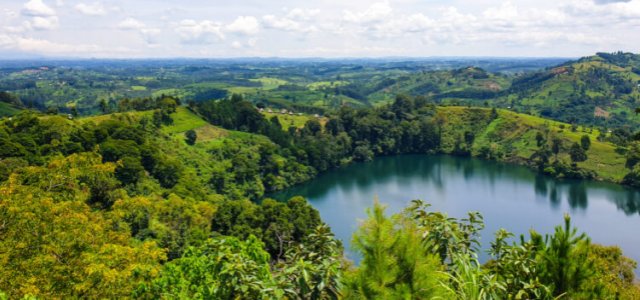
Kibale National Park, covering 296 sq miles of the southwestern region of Uganda, is home to terrain ranging from tropical forests to sweeping savannahs and woodlands on the Rift Valley floor. Its history is rooted in the early 20th century, when local traditions recognised the area's ecological significance, leading to its gradual gazettement as a protected area. Initially thought of as a forest reserve, it was later elevated to the status of a National Park in 1993, a move driven by a growing understanding of its critical role in supporting a complex web of life, particularly its impressive primate populations. The park’s establishment was also influenced by the need to safeguard the vast tracts of forest that characterise its landscape, a habitat that is increasingly rare and vital for countless species and today, Kibale draws researchers and nature enthusiasts from across the globe.

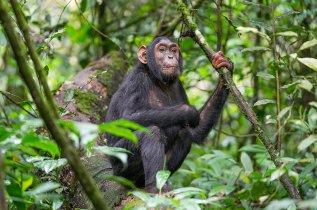
The wildlife of Kibale National Park reflects an unparalleled density of primates, making it a premier destination for chimpanzee trekking. It is estimated that over 1,450 chimpanzees reside within the park's boundaries, representing a significant portion of Uganda's total chimpanzee population. These intelligent and social creatures are the park's undisputed stars, and the opportunity to observe them in their natural habitat is a truly profound experience. This is undoubtedly the flagship activity in Kibale National Park with two main trekking opportunities: the longer, more immersive "Chimpanzee Habituation Experience", which allows for a full day spent with a habituated chimpanzee family, and the more standard "Chimpanzee Trek", which offers a few hours of observation. Both provide incredible insights into the lives of these remarkable primates, observing their social structures, feeding habits, and interactions.

Beyond the chimpanzees, Kibale is home to twelve other different primate species, including the endangered L'Hoest's monkey, the colobus monkey (both black-and-white and red varieties), the grey-cheeked mangabey, and various species of baboons and bushbabies. "Primate Walks" in the park offer the chance to encounter some of these resident monkeys, guided by expert trackers who can help spot these often-agile creatures. The diversity extends beyond primates, with a rich array of birdlife, boasting over 375 recorded species of birds, including several endemic Albertine Rift endemics. There can be spotted the White-spotted Flufftail, Yellow-spotted Barbet, Hairy-breasted Barbet, Yellow-billed Barbet, Western Nicator, Grey-winged Robin-chat, White-tailed Ant-thrush, Brown-backed Scrub-robin, Black-and-white Shrike-flycatcher, Brown-throated Wattle-eye, Superb Sunbird, Brown-crowned Tchagra, Bocage's Bush-shrike, Black Bishop, White-breasted Negrofinch and Black-crowned Waxbill, as well as the majestic crowned eagle, African emerald cuckoo, and the elusive papyrus gonolek. The forest floor and canopy also teem with other mammals, though they are often more elusive. Visitors might catch glimpses of forest elephants, buffalo, leopards, and a variety of smaller antelopes and mongooses.

The Bigodi Wetland Sanctuary, located just outside the park boundaries but managed by the local community, is another significant draw. This vibrant wetland is renowned for its diverse birdlife and offers excellent opportunities to see the red colobus monkey and other wetland-adapted species. Nature walks through the forest offer a chance to appreciate the dense canopy, towering trees, and the cacophony of sounds that make up the forest's symphony. Guided night walks are also available, revealing the nocturnal inhabitants of Kibale, such as bushbabies, potto, and various fascinating insects and amphibians.


Kibale National Park

Kibale National Park

Kibale National Park

Kibale National Park


Rwenzori Mountains

Rwenzori Mountains National Park

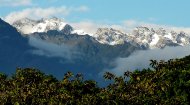
The Rwenzori Mountains National Park is a world-class hiking and mountaineering destination.
More >


Fort Portal Guide

About Fort Portal

Find more things to do and tourist attractions in Fort Portal in our Fort Portal profile pages.
More >


Kibale National Park

Kibale National Park Guide

Kibale National Park is divided into seven zones for management purposes: research, natural reserve, civic-cultural, recreation, harvest, community and protection with an emphasis on conservation and caters to a range of preferences and budgets in terms of accommodation, ensuring that visitors can find a comfortable base from which to explore its wonders. Within or very close to the park's boundaries, several lodges offer immersive wilderness experiences. These range from luxury lodges with ensuite facilities, fine dining, and stunning forest views, to more mid-range options that provide a comfortable and authentic stay. For those seeking a more rustic experience, there are also campsites available, allowing visitors to sleep under the stars surrounded by the sights and sounds of the African bush. Many of these lodges are designed with ecotourism principles in mind, striving to minimise their environmental impact and often benefiting local communities through employment and sourcing of local produce. Popular choices often include lodges that are strategically located for easy access to trekking starting points, offering guided walks and other activities directly from their premises. Booking accommodation in advance is highly recommended, especially during peak tourist seasons, to secure your preferred stay and avoid disappointment.

For those planning a visit to Kibale National Park, a few pieces of advice can significantly enhance the experience and ensure a smooth journey. Firstly, it is essential to book your chimpanzee trekking permits well in advance. These permits are limited and are often the most sought-after aspect of a visit, so securing them months ahead is advisable. Ensure you are physically prepared for the treks, as they can involve walking for several hours over uneven terrain, often in humid conditions. Lightweight, breathable clothing, sturdy waterproof hiking boots, and a good quality rain jacket are essential. Insect repellent is a must to ward off mosquitoes and other biting insects. Don't forget a reusable water bottle, as staying hydrated is crucial. Binoculars are highly recommended for spotting birds and primates high in the canopy, and a good camera will help you capture memories, though remember that flash photography is generally not permitted during primate encounters. It's also wise to carry some local currency for souvenirs, tips, and any incidentals. The park is generally safe, but it’s always wise to follow the guidance of your rangers and guides, especially when encountering wildlife. These individuals are knowledgeable and experienced, and their instructions are paramount for your safety and the well-being of the animals. Finally, embrace the journey, be patient, and allow yourself to be fully present in this incredible natural setting; the rewards of connecting with nature in Kibale are immeasurable. Now check out the main tourist attractions in the park in the above video.

Kibale National Park Wesite</a></p>
<div align=


Tourist
Attractions

Western Uganda Tourist Attractions


Best Things
To Do

Things to do in Western Uganda Guide


Main Ugandan
Towns

Main Ugandan Towns


Western Uganda
Accommodation

Accommodation in Western Uganda Guide