|
Rwenzori National Park |
Rwenzori National Park |
Rwenzori National Park | Rwenzori National Park |



Find more things to do and tourist attractions in Fort Portal in our Fort Portal profile pages.
More >
|
|
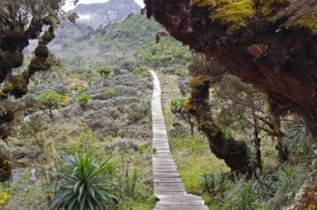
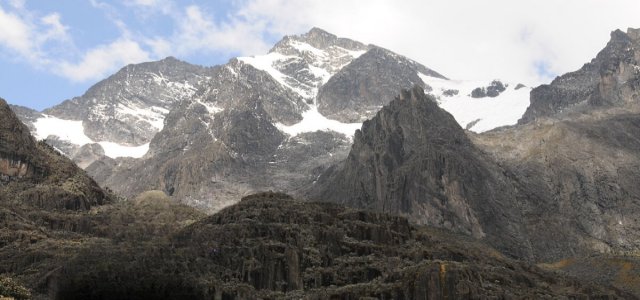
These treks traverse distinct vegetation zones, from tropical rainforest and bamboo forests to alpine meadows and barren rock, showcasing dramatic landscapes of glacial valleys, stunning waterfalls, and crystal-clear alpine lakes. Beyond the summit attempts, shorter nature walks are available in the lower zones, providing a less strenuous way to experience the park's beauty, observe birdlife, and encounter smaller wildlife. Cultural encounters with the local Bakonzo communities residing around the park's perimeter can also be arranged, offering insights into their traditional way of life. Accommodation options for visitors to Rwenzori Mountains National Park are predominantly geared towards supporting trekking expeditions. Along the main trekking routes, such as the Central Circuit and Kilembe Trail, a series of basic hut camps are maintained. These facilities, often managed by the park authorities or private operators like Rwenzori Mountaineering Services (RMS) and Kilembe Trail, provide essential shelter, bunk beds, and rudimentary cooking facilities being designed for trekkers seeking a genuine wilderness experience, rather than luxury. Outside the park gates, particularly in the nearby town of Kasese, and closer to the main trailhead at Nyacalengija, a greater variety of accommodation can be found. These range from budget guesthouses offering simple comforts to more mid-range lodges that cater to weary trekkers seeking a hot shower and a comfortable bed before or after their adventure. For those planning a visit to the Rwenzori Mountains, physical fitness is crucial, as the treks are demanding, involving steep ascents, slippery terrain, and potentially challenging weather conditions. Essential equipment includes sturdy, waterproof hiking boots, warm and layered clothing suitable for sub-zero temperatures, waterproof outer shells, a good-quality sleeping bag, a headlamp, and a comprehensive first-aid kit. It is mandatory to hire licensed guides and porters for any trek within the park; not only do they provide invaluable expertise and safety, but their employment also directly supports local communities. Park entry fees and trekking permits must be obtained in advance, and the park is open every day from 8:00 AM to 6:00 PM. The drier seasons, typically June to August and December to February, are generally considered the best times to visit, offering clearer skies, though rainfall can occur at any time. Visitors should be aware of the risks of altitude sickness and take necessary precautions, including staying hydrated and ascending gradually. Malaria prevention is important for the lower altitudes. Furthermore, practising Leave No Trace principles is vital to preserving the pristine environment of this unique mountain ecosystem, ensuring it remains wild and beautiful for all who follow. Now check out the main tourist attractions in the park in the above video.
|



Rwenzori Mountains National Park GuideA guide to the Rwenzori Mountains National Park on the Uganda/DRC border, including wildlife, mountaineering activities, entry fees, tour costs and opening hours Tags: Rwenzori National Park, Rwenzori Mountains National Park, Rwenzori Mountains National Park Guide, Rwenzori Mountains National Park Wildlife Guide, Rwenzori Mountains National Park Mountaineering Guide, Rwenzori Mountains National Park Tour Guide |