Western Uganda Guide


Murchison Falls Park

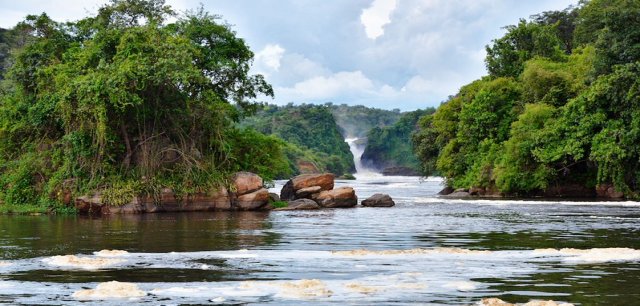
Spanning over 3,840 square kilometres, Murchison Falls National Park is the largest national park in Uganda and a cornerstone of East Africa’s conservation efforts. The park is named after the dramatic Murchison Falls, where the Nile River plunges through a narrow rock gorge with such force that the roar can be heard from miles away. This iconic spectacle, combined with the park’s rich tapestry of ecosystems, from savannahs and woodlands to swamps and dense forests, makes it a sanctuary for an astonishing array of wildlife with 76 mammal species, over 550 bird species, numerous reptiles (like Nile Crocodiles), amphibians, and significant plant life. The park is a haven for adventurers, photographers, and conservationists alike, yet, its significance extends beyond its natural beauty, as it holds layers of historical, cultural, and ecological importance.

The park’s history is deeply intertwined with Uganda’s colonial past. Established in 1952, it predates Uganda’s independence and was initially managed by the British, who saw it as a strategic site for both tourism and preservation of biodiversity. The falls themselves are named after Sir Roderick Murchison, a 19th-century British geologist and explorer, reflecting the era's colonial influence. Over the decades, the park has evolved from a protected area of British interest to a symbol of Ugandan heritage and pride. Local communities along the Nile River, such as the Bakonjo, Banyoro, and Iteso, have inhabited the region for centuries, with their traditions and livelihoods closely linked to the land. Oral histories passed down through generations speak of the falls as a sacred site, where ancestral spirits are believed to reside. Today, the park balances modern conservation practices with the cultural narratives of these communities, offering a unique blend of history and living heritage.

Cultural significance permeates every aspect of Murchison Falls National Park. The local people, particularly the Bakonjo, have a profound connection to the Murchison Falls area, regarding it as a spiritual and communal hub. Their cultural practices, such as the annual Kwanjula festival, celebrate the river and its life-giving role in sustaining their way of life. These traditions are not only preserved through storytelling and music but also integrated into eco-tourism initiatives that allow visitors to engage directly with the community. For instance, homestays and guided walks led by local guides offer travellers an immersive experience, where they can learn about traditional farming techniques, crafts, and the delicate balance between livelihoods and environmental stewardship. This symbiotic relationship between the park and its surrounding communities underscores the importance of collaboration in conservation efforts, ensuring that the park’s legacy is not just environmental but also cultural.

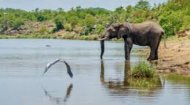
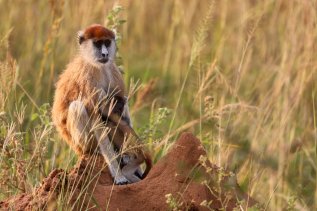
Murchison Falls National Park is a wildlife enthusiast's paradise, boasting Uganda's highest concentration of large mammals and over 450 bird species. The Nile River, which slices through the park, is a lifeline for its ecosystem, supporting a thriving network of crocodiles, hippos, and a kaleidoscope of aquatic birds. On land, the park’s savannahs and woodlands are home to the Big Five, elephant, lion, leopard, buffalo, and rhino, along with massive herds of Uganda kobs, giraffes, and the endangered sitatunga antelope. Early morning game drives reveal a spectacle of activity, as elephants traverse the dusty plains and lions laze in the golden light. The park’s riverine forests, however, hold a special allure for bird lovers, offering glimpses of the prehistoric-looking shoebill stork, Pel’s fishing owl, and the vibrant pied kingfisher. Conservationists have also focused on reintroducing black rhinos to the park, a testament to Uganda’s commitment to protecting its vanishing wildlife.


Murchison Falls Park

Murchison Falls Park

Murchison Falls Park

Murchison Falls Park


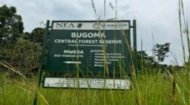
Bugoma Forest

Bugoma Forest Reserve

A guide to Bugoma Forest Reserve including its wildlife, plant species, and conservation efforts.
More >


Murchison Falls Wildlife

Murchison Falls National Park Guide

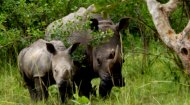
One of the park's most popular attractions is the Nile River cruise, where visitors can witness the raw power of Murchison Falls up close. In a smaller boat, travellers venture downstream to spot hippos and crocodiles basking along the banks until they are halted at the base of the falls, where the river’s fury cannot be ignored. For a more serene experience, canoe trips allow for quiet exploration of the swampy wetlands, where darters and African fish eagles soar overhead. Hiking the Queen Elizabeth Track, a 70-kilometre trail through diverse landscapes, offers a deeper connection to the park’s wilderness, while the summit of Murchison Falls provides panoramic views of the surrounding plains. Nearby, the Ziwa Rhino Sanctuary (above) Valley offers a chance to see Uganda’s recovering rhino population.

Despite its ecological richness, Murchison Falls National Park faces challenges such as poaching, habitat degradation, and human-wildlife conflict. Conservationists and park rangers work tirelessly to combat these threats, leveraging anti-poaching patrols, camera trapping, and community education programs. Partnerships with international NGOs and Uganda’s Wildlife Authority have led to significant progress, including the successful recovery of elephant populations and the reintroduction of rhinos. Sustainable tourism plays a vital role in funding these initiatives, with revenue from visitor fees and eco-lodges directed toward habitat restoration and community development.

For travellers eager to explore this extraordinary place, timing and preparation are key. The best months to visit are June to September and December to February, when the park’s dry season makes game viewing more accessible and the Nile’s flow is at its most spectacular. Most safari-goers fly into Uganda’s Entebbe International Airport and travel to the park via a 5-hour drive along the Kampala-Fort Portal road. Accommodation options range from luxury eco-lodges nestled in the jungle, like the Murchison Falls Safari Lodge, to budget-friendly campsites for the more adventurous. Visitors should pack sturdy footwear for hikes, insect repellent, and layers for the cooler hours, while respecting the park’s guidelines to minimise environmental impact. Safety remains a priority, with strict rules on staying in vehicles during wildlife encounters and avoiding loud noises that might startle animals.

Murchison Falls National Park Website


Tourist
Attractions

Western Uganda Tourist Attractions


Best Things
To Do

Things to do in Western Uganda Guide


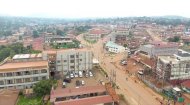
Main Ugandan
Towns

Main Ugandan Towns


Western Uganda
Accommodation

Accommodation in Western Uganda Guide