Explore the hidden and unspoilt
 delights of Western Uganda
 with its breathtaking scenery.
 Discover the best things to do
 in the 'Pearl of Africa'!
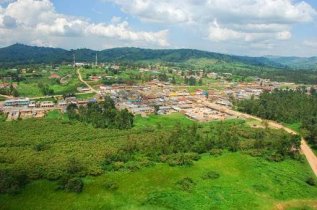
o be honest, apart from sleeping, eating, drinking and shopping there aren't many things to see and do in the town of Ntungamo itself, however there is plenty to keep you occupied if you are prepared to travel a few miles. However, one of the most immediate and rewarding things to do in Ntungamo is traversing its distinctive landscape as the district is characterised by an endless succession of steep hills and deep valleys, ideal for hiking and trekking. These excursions offer not only rigorous exercise but also panoramic photographic opportunities, allowing you to capture the sweeping views of cultivated fields and scattered homesteads. Unlike regulated park trails, these hikes require interaction with locals.
Beyond the physical activity offered by the landscape, Ntungamo encourages deep immersion into its agricultural economy. The region is a powerhouse of food production, particularly known for its large banana plantations (shambas) and its burgeoning coffee industry. A truly engaging activity is arranging a short farm stay or a guided tour of a local shamba. This allows visitors to learn the intricacies of planting, harvesting, and processing of staples like matooke (green cooking bananas). Participating in the preparation of a traditional meal, from harvesting the banana bunch to steaming the final product wrapped in banana leaves, transforms the culinary experience from a simple tasting into a participatory workshop. Similarly, those interested in coffee can spend time with farmers, tracing the journey of the bean from the bush to the cup, gaining an appreciation for the labour involved in this global commodity. Engaging in these hands-on sessions supports local livelihoods directly and provides skills and knowledge unattainable in urban settings.
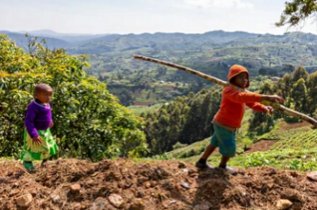
The heart of Ntungamo’s cultural life beats strongest around the Ankole people and their legendary long-horned cattle. An essential activity here is dedicating time to understanding the pastoralist traditions. Seek out opportunities to visit a local kraal (cattle homestead) and spend time watching the intricate process of cattle herding, watering, and milking. The Ankole cattle are not merely livestock; they are central to the culture, wealth, and identity of the community. Learning the deference and respect given to these animals, and perhaps even practising carrying the heavy milk gourds or observing the traditional methods of butter making, provides a vivid cultural context. This engagement is often facilitated through community tourism initiatives or pre-arranged visits, ensuring that the interaction is respectful and beneficial to the hosts.
For a vibrant sensory experience, carve out time for navigating the central Ntungamo town market, particularly on peak days. This is where the region's agricultural bounty and local crafts converge. The activity here is not just shopping, but aggressive sensory exploration and interaction. Sampling street food favourites, like roasted groundnuts, chapati, or local roasted meats, is a must. Engage with vendors to learn the names and uses of unique tropical produce that might be unfamiliar. Furthermore, the market is the perfect place to discover and source locally made crafts and fabrics. Practising the art of respectful haggling is an expected and enjoyable component of the experience, fostering direct communication and connection with local traders while supporting small-scale entrepreneurship.
One of the main things to do in Ntungamo is visiting the legendary Karegyeya Rock, whose history encompasses local traditions of the ancient Bachwezi, and calling in at the Nshenyi Cultural Village to experience the traditional lifestyle of Banyankole people. Also check out Kitagata or Mulago (meaning 'hospital') hot springs, which are believed to have healing powers and find out below a bit more about Ntungamo's history and some facts about the town. For more about life in Ntungamo and its surrounding villages, check out The Lighthouse Project novel below.
Ugandan Hot Springs
|
Karegyeya Rock
|
Kisiizi Waterfall
|
Itojo Trading Centre
|
Nshenyi Cultural Village
|
The Lighthouse Project
|

|
Main sections of this site:

As yet largely uncommercialised,
Western Uganda has many tourist
attractions for the explorer to visit.

As well as the main tourist attractions
there are many other activities
to enjoy in Western Uganda.

A guide to the main towns in and
around Western Uganda, where to stay,
eat and things to see and do.

A comprehensive guide to the best
places to stay when visiting Western
Uganda from hotels to camp sites.