Western Uganda Guide


Katasiiha Fort and Caves

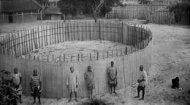
In Western Europe, the word 'fort' has connotations of a fortified building, often a castle, but for many the word 'fort' simply means a strategic position and that's what mukama (King) Cwa II Kabalega of the Bunyoro Kingdom built at Katasiiha; a strategic defense point to mobilize his army and resist the British imposition of a protectorate as the European colonisers attempted to consolidate their control over the fertile and resource-rich regions of northern Uganda. Beginning in 1894, after abandoning his palace at Mparo, King Kabalega's forces began their push-back by digging trenches up to eight feet deep, with the nearby River Bigajuuka serving as a primary defensive line and the surrounding caves and tunnels allowing for the secret movement of troops and supplies. The resistance to colonial rule was then fierce and protracted, involving many battles against the British and their Baganda allies.

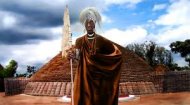
Kabalega was finally captured in April 1899 and subsequently spent 24 years exiled in the Seychelles Islands before returning home but falling ill and dying on April 6, 1923, in Jinja, Uganda. He was buried at Mparo Royal Tombs, becoming a national hero and symbol of Ugandan independence. After Kabalega's fall, Katasiiha Fort and caves initially served as a British garrison and administrative hub, reflecting the fort’s design, combining functionality with resilience, with thick walls and narrow windows that provide defence against both the elements and potential uprisings. However, as resistance to colonial rule ebbed, the fort and caves transitioned from a military stronghold to a less prominent post before eventually becoming a quiet relic of Uganda’s complex past. Today, the fort’s crumbling structures stand as a reminder of the era’s ambitions and conflicts.

The caves at Katasiiha also have their own story, being a natural formation predating human history by millennia. These subterranean chambers, formed by tectonic activity and erosion, have long been a source of fascination for local communities. While the fort was a product of foreign influence, the caves are deeply intertwined with the cultural and spiritual fabric of the Iteso and Lango peoples who inhabit the region. Oral traditions suggest that the caves were once used as places of refuge during times of conflict, providing shelter from invasions or harsh weather. Others tell of ancestral spirits residing within the caves, guiding or protecting the local populace. These tales, passed down through generations, highlight the caves’ dual role as both a physical sanctuary and a spiritual nexus, a place where the past and present converge.

The cultural significance of Katasiha is further enriched by its role in local folklore and historical narratives. Elders speak of ceremonies once conducted in the caves, where leaders sought wisdom from the land or communed with the divine. Artefacts such as pottery shards and carved stones, discovered within the caves, hint at ancient rituals and artistic expressions. Though the origins of these artefacts remain a subject of study, their presence underscores the site’s layered history—one that blends indigenous heritage with colonial imprints. For many, the fort and caves symbolise the resilience of the local people, who have navigated centuries of change while preserving their traditions. Festivals and storytelling sessions in nearby villages often draw inspiration from these places, ensuring that their legacy endures in both memory and practice.


Katasiiha Fort and Caves

Katasiiha Fort and Caves

Katasiiha Fort and Caves

Katasiiha Fort and Caves


Mparo Royal Tombs

Mparo Royal Tombs

A guide to the Mparo Royal Tombs, resting place of the Omukamas of the Bunyoro‑Kitara Kingdom.
More >


Katasiiha Fort and Caves

Katasiiha Fort and Caves Guide

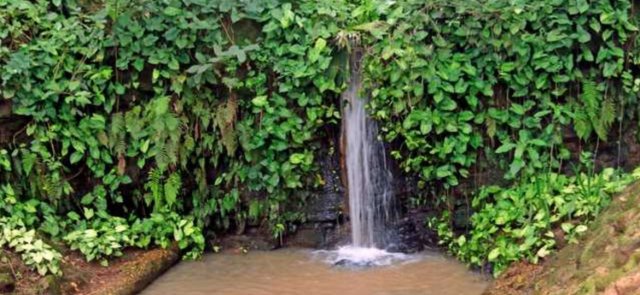
Visitors to Katasiha Fort and Caves are greeted by a landscape that seamlessly merges the artificial and the natural. The fort, with its weathered walls and panoramic views of the surrounding savannah, offers a chance to imagine the lives of soldiers and administrators who once walked its corridors. Nearby, the caves lure adventurers into their cool, dimly lit interiors where stalactites and stalagmites create otherworldly formations. Some passages are wide enough for easy exploration, while others narrow into intriguing crevices, hinting at the secrets hidden beneath the earth. Guided tours often include accounts of the site’s history and legends, adding depth to the experience. Beyond the fort and caves, the area is bisected by the Katongo River, a lifeline that supports small farms and wildlife, providing a vivid backdrop to the human story told by the site.

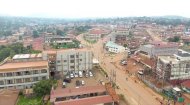
For those planning a visit, Katasiha is accessible from Hoima town, a region known as the “Food Basket of Uganda” due to its abundant agricultural production. Travellers can reach the fort by private vehicle or shared transportation, though the last leg of the journey may require a brief trek through rural paths. The best time to visit is during the dry season (June to August or December to February), when the terrain is more navigable and the caves are less prone to flooding. Comfortable clothing, sturdy footwear, and a reliable flashlight are essential, as some areas remain poorly lit. While there are no formal ticket fees, visitors are encouraged to engage with local guides, who offer invaluable insights and contribute to the preservation of the site. Conservation efforts, often led by community members, aim to protect the fort from further degradation and promote sustainable tourism that respects the cultural integrity of the area.

In addition to the fort and caves, the surrounding region offers opportunities to connect with Uganda’s biodiversity and rural life. Farmers in the area cultivate crops like maize, beans, and bananas, and visitors can learn about traditional farming practices or participate in local markets. Birdwatchers may spot species such as the African fish eagle or the crowned crane, while nature enthusiasts can explore nearby forested areas or wetlands. These experiences, combined with the historical depth of Katasiha, create a multifaceted journey that celebrates Uganda’s past and present.

For more about Katasiiha Fort and Caves, check out the brief video above, then explore the area further using our location map below.


Tourist
Attractions

Western Uganda Tourist Attractions


Best Things
To Do

Things to do in Western Uganda Guide


Main Ugandan
Towns

Main Ugandan Towns


Western Uganda
Accommodation

Accommodation in Western Uganda Guide