
|
Mparo Royal Tombs | Mparo Royal Tombs | Mparo Royal Tombs | Mparo Royal Tombs |



|
|
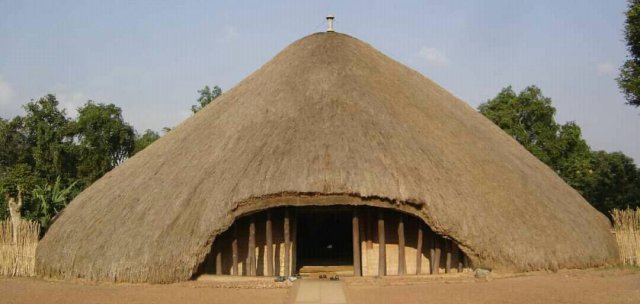
In recent years, the Mparo Royal Tombs have emerged as a visitor attraction, drawing both domestic tourists and international travelers seeking an authentic glimpse of Uganda’s regal past. The rise of cultural tourism across East Africa has placed sites like Mparo on the map, and the Ugandan Ministry of Tourism has recognised the tombs as part of its “Heritage Trail,” a curated route that connects UNESCO World Heritage Sites, such as the Rwenzori Mountains, with lesser‑known but equally significant locales. Visitors to Mparo often comment on the serene atmosphere that pervades the grounds—a stillness punctuated only by the rustle of leaves and the distant calls of baboons. The site’s management has taken steps to balance accessibility with preservation: pathways have been upgraded with locally sourced stone, informational boards in English, Runyoro, and Swahili provide context, and guided tours are conducted by members of the royal household, ensuring that narratives remain authentic and respectful of the community’s values.
Nevertheless, the growing popularity of the tombs has introduced challenges that demand careful stewardship. Increased foot traffic poses risks to the delicate stonework, while the demand for souvenirs has spurred the emergence of informal vendors near the entrance. To mitigate these pressures, the royal council has instituted a modest entrance fee, with proceeds earmarked for conservation projects and the training of local youth as heritage guides. Moreover, partnerships with NGOs specialising in cultural preservation have enabled the installation of low‑impact lighting, which allows evening ceremonies to continue without compromising the site’s integrity. These initiatives underscore a broader trend in Uganda: a rising awareness that heritage sites must be managed sustainably, marrying economic benefits with the responsibility of safeguarding irreplaceable history. The Mparo Royal Tombs also serve as a platform for dialogue on broader themes of identity and post‑colonial nation‑building. As Uganda continues to navigate its place within a globalised world, sites like Mparo remind citizens that the nation’s story is not a monolith but a tapestry of distinct kingdoms, each with its own language, rites, and governance systems. By celebrating the legacy of the Bunyoro monarchy, Uganda acknowledges that contemporary statehood is built upon a foundation of diverse cultural legacies. In this sense, the tombs are more than a burial ground; they are a symbol of resilience, a testament to the people's capacity to retain their spirit even when external forces seek to reshape their destiny. Travellers who have taken the time to sit in the shaded courtyard of the main tomb often describe an uncanny sense of timelessness. The air carries the faint fragrance of incense that is lit during weekly prayers, and the stone faces of the sarcophagi seem to hold the steady gaze of monarchs who once ruled over vast territories, commanded armies, and negotiated treaties with European powers. For a historian, the tombs offer a tangible link to archival records—a place where written accounts of treaties, battles, and royal decrees can be cross‑referenced with the physical presence of those who signed them. For a cultural anthropologist, the rituals conducted at Mparo provide a living laboratory to study how oral traditions adapt and survive in the modern age. |




Mparo Royal Tombs GuideA guide to the Mparo Royal Tombs, resting place of the Omukamas of the Bunyoro‑Kitara Kingdom near Hoima, together with cultural significance, video and location map Tags: Mparo Royal Tombs, Mparo Royal Tombs Guide, Mparo Royal Tombs Video, Mparo Royal Tombs Location Map, Mparo Royal Tombs Cultural Significance, Mparo Royal Tombs Bunyoro‑Kitara Kingdom |