|
Queen Elizabeth National Park |
Queen Elizabeth National Park |
Queen Elizabeth National Park | Queen Elizabeth National Park |



|
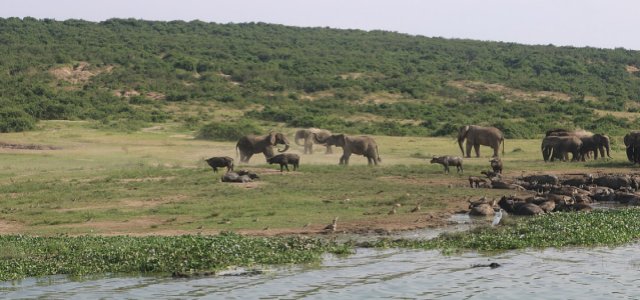
Accommodation options within and around Queen Elizabeth National Park cater to a broad spectrum of preferences and budgets, ensuring every visitor can find a suitable place to rest after a day of exhilarating safaris. From luxurious lodges perched on escarpments offering breathtaking views over the plains and the Kazinga Channel, to comfortable mid-range tented camps that blend seamlessly into the natural environment, and more affordable bandas and campsites, the variety is impressive. Many lodges are strategically located to provide easy access to the park's main attractions, such as the Ishasha sector for its tree-climbing lions or the Kyambura Gorge for chimpanzee tracking. Opting for accommodation inside the park often means waking up to the sounds of the wilderness and occasionally spotting wildlife directly from your balcony or tent. Properties outside the park gates, while requiring a short drive, often provide excellent value and unique experiences. It is always advisable to book accommodation well in advance, especially if planning a visit during the peak tourist seasons, to secure your preferred choice and ensure a smooth, enjoyable stay. For an optimal visit to Queen Elizabeth National Park, a few pieces of advice can significantly enhance the experience. The best time to visit for game viewing is generally during the dry seasons, which run from June to September and December to February. During these months, vegetation is less dense, and animals congregate around water sources, making them easier to spot. However, the wet seasons (March-May and October-November) offer lush, green landscapes, excellent birdwatching opportunities due to migratory species, and fewer tourists, though some roads can become challenging. Reaching the park is typically done by road from Kampala, a journey of approximately 6-7 hours via Mbarara or Fort Portal, with domestic flights also available to nearby Kasese airstrip for a quicker alternative. When packing, consider lightweight, neutral-coloured clothing, a wide-brimmed hat, sunglasses, high-factor sunscreen, and insect repellent. Sturdy walking shoes are essential for any walking safaris or chimp tracking. Don't forget a good pair of binoculars and a camera with a telephoto lens to capture the incredible wildlife. Health precautions include taking anti-malaria prophylaxis, ensuring yellow fever vaccination is up to date, and carrying any personal medications. Always stay hydrated, especially during game drives under the African sun. Most importantly, listen to your guide's instructions, respect the wildlife by maintaining a safe distance, and contribute to responsible tourism by supporting local communities and minimising your environmental footprint. Remember to check current park entrance fees and activity costs with the Uganda Wildlife Authority (UWA) before your trip.
|



Queen Elizabeth National Park GuideA Queen Elizabeth National Park guide including its wildlife, safaris and trekking tours together with details of Queen Elizabeth National Park accommodation, map and video Tags: Queen Elizabeth National Park, Queen Elizabeth National Park Guide, Queen Elizabeth National Park Wildlife, Queen Elizabeth National Park Safaris, Queen Elizabeth National Park Tours, Queen Elizabeth National Park Map |